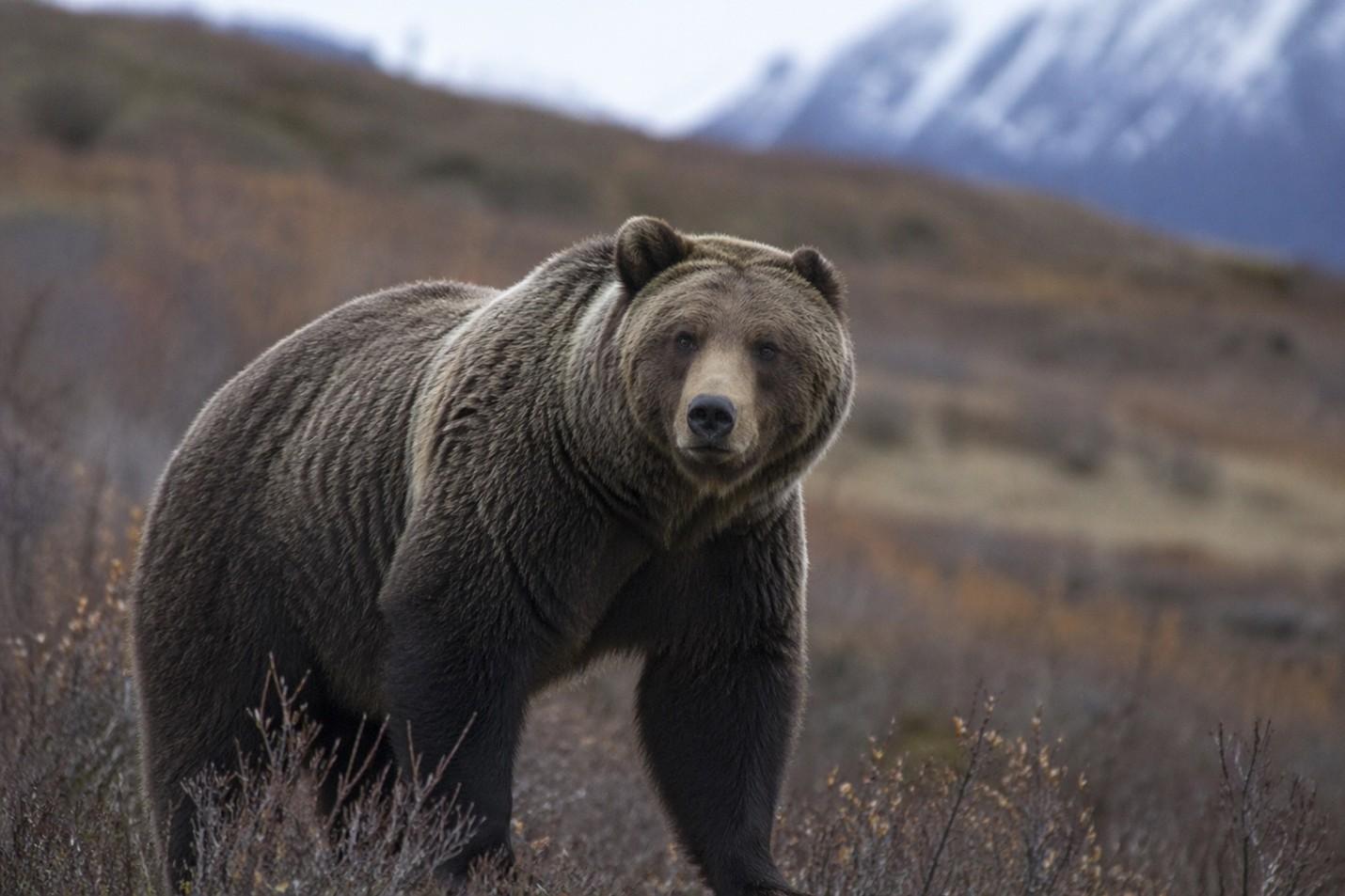
Figure 1: Brown bear, courtesy of Sarah Spelsberg
[April 16, 2026] Two U.S. Army soldiers were injured during a land navigation exercise in the Arctic Valley training area of Joint Base Elmendorf-Richardson in Anchorage, Alaska after an encounter with a brown bear. Both deployed bear spray, which officials said may have prevented more severe harm. Preliminary assessments suggest the incident was a defensive attack by a bear recently emerged from hibernation. The soldiers received medical care, and the event remains under investigation. This attack happened on the same base where a soldier was killed in a bear mauling 4 years ago.
This incident highlights risks inherent to operating in remote environments. The military frequently conducts exercises in remote environments. These challenges extend beyond the military context, affecting hikers, search and rescue teams, and environmental and wildlife researchers who operate in similar conditions. In such isolated regions, early rescue can be hindered by difficult terrain, bad weather, and complex evacuation logistics, while concurrent hypothermia and traumatic injury further complicate response and outcomes.
In North America, two primary bear species are encountered: black bears and brown bears (including grizzlies). Black bears are medium-sized, highly adaptable animals and represent the most widespread bear species on the continent. In contrast, brown bears are significantly larger and more powerful, with populations distributed across western North America as well as parts of Europe and Asia.
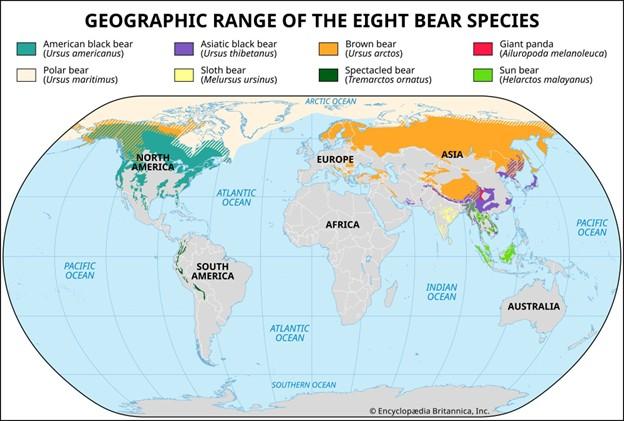
Figure 2: Distribution of bear species around the world
Although generally solitary and not natural predators of humans, brown bears can be highly dangerous when provoked, with most attacks occurring as defensive responses, particularly when startled, protecting cubs, or seeking food. Risk is heightened during spring emergence from hibernation, when bears are actively foraging and more likely to encounter humans, as was likely the case in this situation. Their capacity for rapid acceleration and short-distance charges, reaching speeds of up to 30 miles per hour, leaves little time for reaction. Combined with their immense size, claws, and bite force, these encounters can result in severe blunt and penetrating trauma, most commonly affecting the head, neck, and torso.
Alaska is home to an estimated 100,000 black bears and 30,000 brown bears, yet brown bears are responsible for the vast majority of severe human encounters. Epidemiologic data highlight the relative rarity but high consequence of these events: between 2000 and 2017, there were 68 hospitalizations related to bear attacks, and from 2010 to 2015, 40 attacks with 19 additional incidents were reported, including 10 fatalities across 8 separate events. Notably, approximately 96% of serious attacks involved brown bears, with grizzly bears (Ursus arctos) accounting for 88% of conflicts, compared to 11% involving black bears (Ursus americanus) and 1% polar bears (Ursus maritimus). While grizzly family groups were implicated in about 32% of attacks, single bears were involved most frequently (45%), underscoring that solitary encounters remain highly dangerous.
Conflicts occurred year-round but were most common during daytime hours (82%), coinciding with peak human activity. Risk was further influenced by environmental and situational factors: larger human groups (≥2 people) were less likely to be attacked, and poor visibility increased encounter risk, likely due to close-range surprise interactions. Collectively, these data reinforce that while bear attacks are uncommon, they are disproportionately severe and shaped by identifiable behavioral and environmental factors.
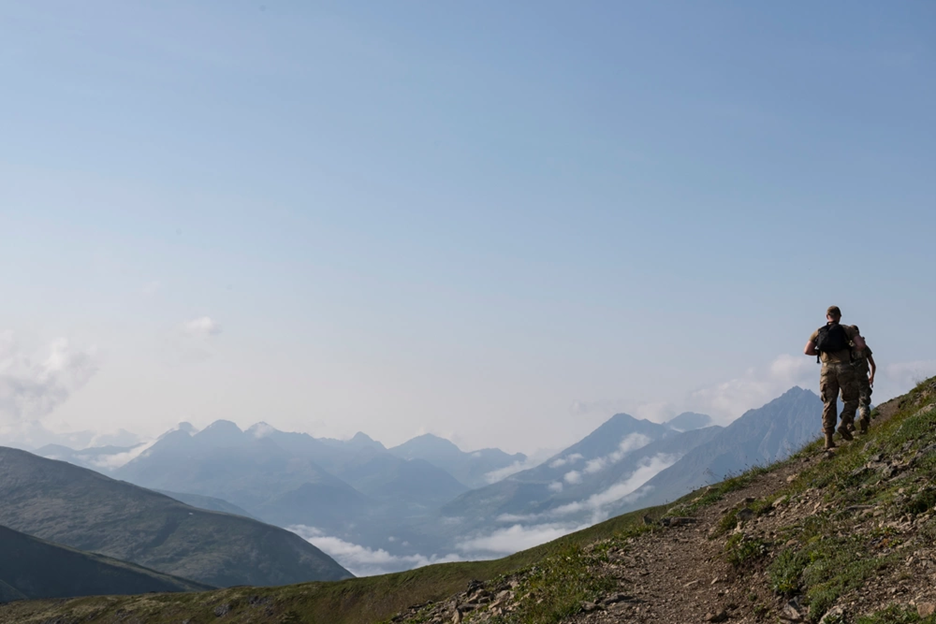
Scenes from a land navigation exercise at Joint Base Elmendorf-Richardson where the bear attack occurred. Source: Defense Visual Information Distribution Service
Military training in Alaska presents a distinct risk for wildlife encounters due to the overlap between training environments and prime bear habitat. Exercises are frequently conducted in remote, densely vegetated terrain with limited visibility, increasing the likelihood of close-range, surprise encounters. Troops often operate in small, dispersed units, sometimes moving quietly during land navigation or field exercises, which can further reduce a bear’s ability to detect humans early. Training schedules also extend into spring and early summer, when bears are emerging from hibernation and actively foraging, heightening encounter risk. Additionally, the use of rations, field gear, and prolonged presence in the backcountry can attract animals if not carefully managed. Combined with isolation, delayed evacuation, and challenging terrain, these factors make military training in Alaska a setting where wildlife encounters, though uncommon, carry significant risk.
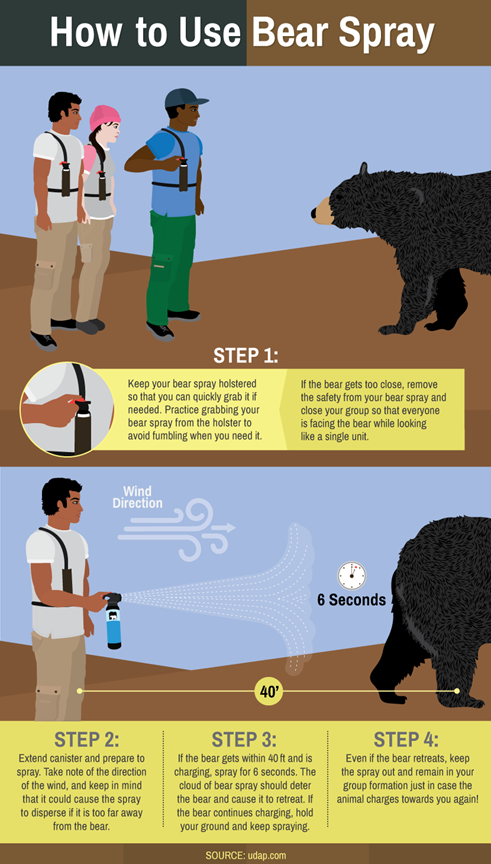
How to properly use bear spray. Source: UDAP
For safety in bear encounters remain alert, make noise in low-visibility areas to avoid surprising bears, and travel in groups when possible. Securely store food and scented items in food lockers, bear canisters, or sometimes hung from trees and keep away from sleeping areas. If a bear is encountered, avoid running, maintain distance, and respond based on its behavior; stand ground and use bear spray if necessary. Guns are often not effective. Minimize surprise encounters, respect bear space, and maintain control of gear and surroundings.