The Wilderness Medicine Society Winter Conference brought our community together once again, this time in the snow-covered mountains of Lake Tahoe. From the student and resident hike on Sunday morning through the final sessions on Wednesday, the week reflected what makes WMS unique: immersive education, hands-on skill building, and bringing together the outdoors community.
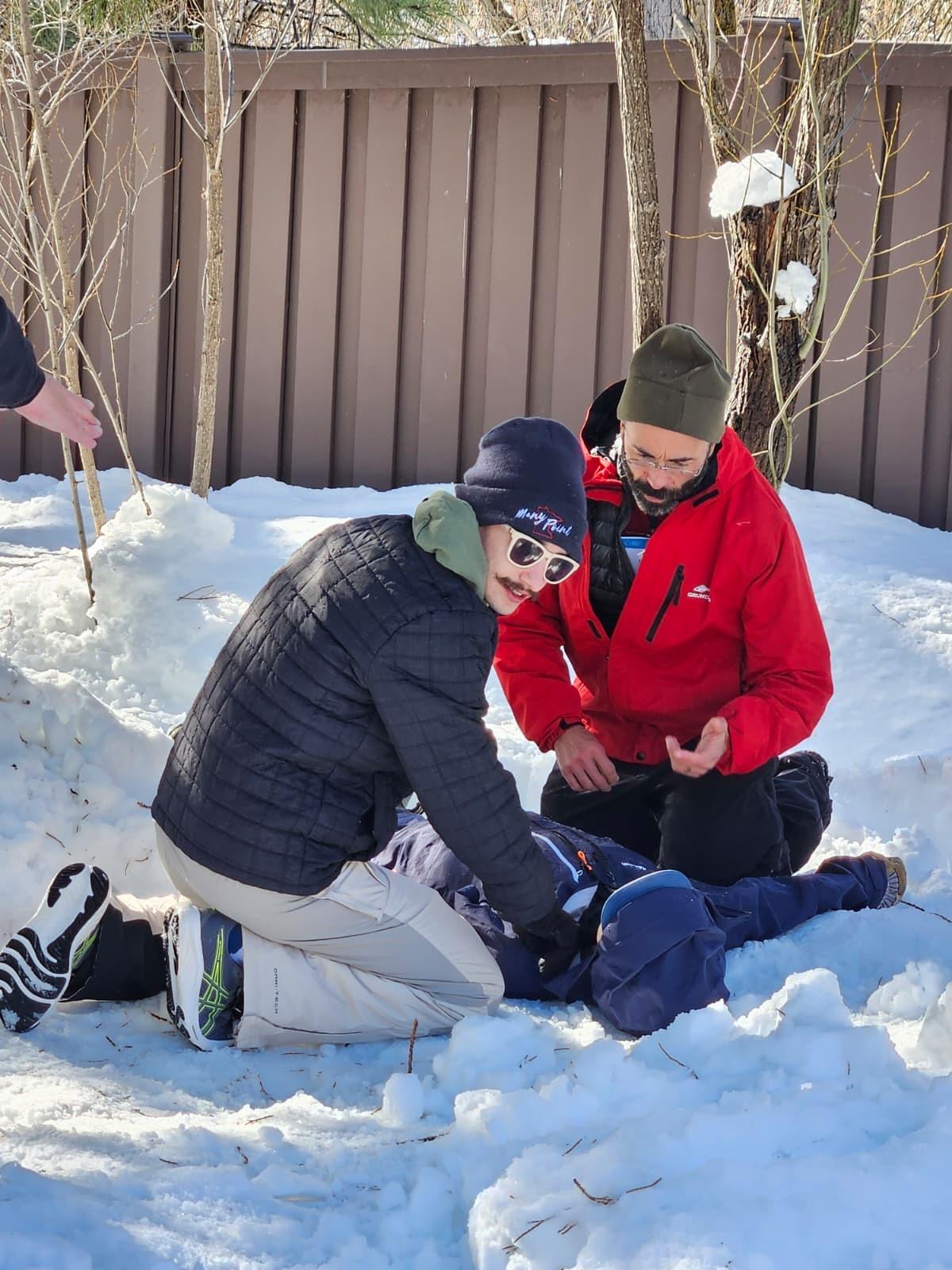
Photo courtesy of WMS Staff and Members.
The conference opened with lectures focused on altitude illness, hypothermia, and expedition medicine. These sessions reinforced the importance of preparation and systems thinking in austere environments. After lectures in the morning, it came time for hands-on training. One of the options was the Orthopedic Reduction and Stabilization workshop led by Dr. Ryan Eggers. This session took a true head-to-toe approach, covering both upper and lower extremity dislocations and fractures. We practiced reduction techniques, discussed pain management options, and built splints using both standard and improvised materials. What stood out most was the emphasis on improvisation in resource-limited settings. The discussion focused on when to reduce in the field, how to balance risks and benefits, key components to each splint, and how evacuation timelines influence care. The hands-on repetition and thoughtful teaching made this one of the most practical and immediately applicable sessions of the conference, both in and out of the field.
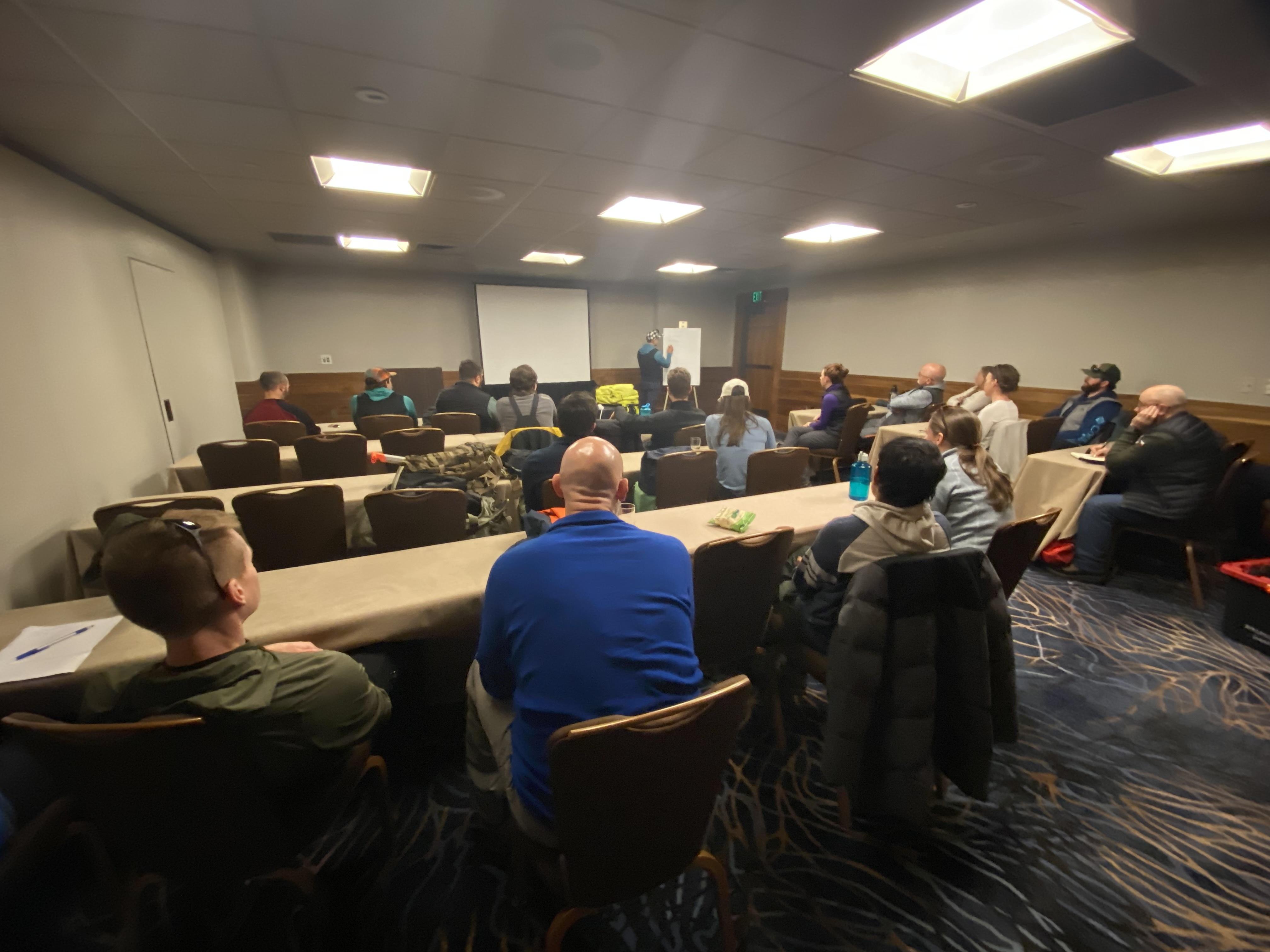
Photo courtesy of WMS Staff and Members.
After dinner we had an opportunity to attend GME mini-lectures, which was not only a competition for the lectures to earn a spot presenting at the next conference, but some of the more fun ways we have seen topics presented on personal experiences or research. From a Lord of the Rings themed discussion (told in a hobbit costume) on expedition medicine readiness to tales from when a level one trauma center lost power for hours in the middle of the summer, we got to learn about the speaker as much as we learned about the medicine.
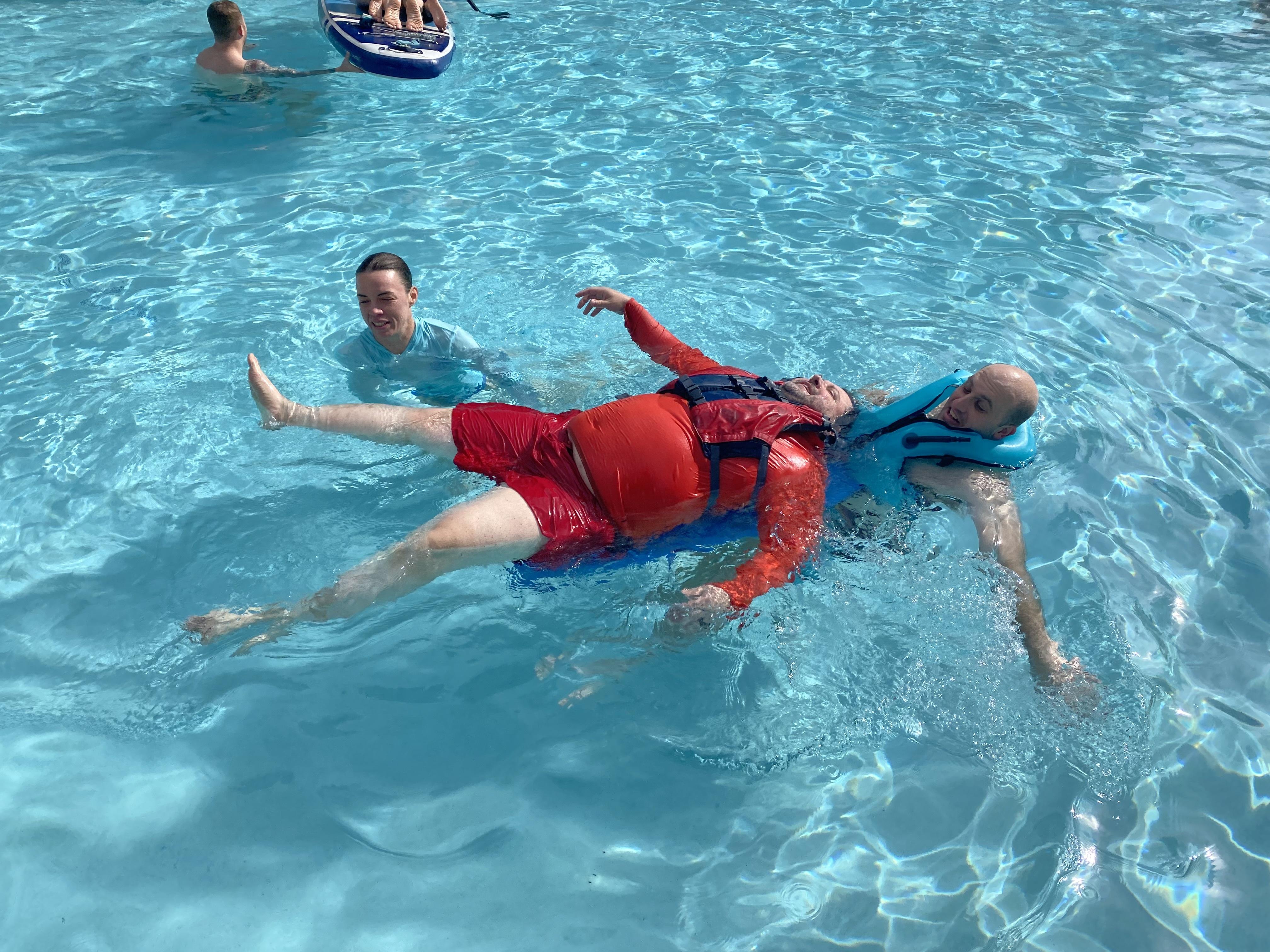
The second day opened with lectures on ocular trauma, viral fevers, and resuscitation of the drowning patient, which set the stage for one of the afternoon workshop options. The cold water crisis and drowning workshop was another highlight as we progressed through day two. This session blended rescue and medicine in a way that reflected real-world operations. We practiced the rescue progression of reach, throw, row, and go while emphasizing rescuer safety and situational awareness. We also reviewed airway management in drowning and hypothermic patients and bagging through the “foaming airway” that develops as surfactant begins to leave the lungs. A particularly memorable portion of the workshop was teaching the flip technique, which uses paddleboards to stabilize and transport patients in aquatic environments, which reinforced how essential creativity and resourcefulness are as key components in wilderness rescue.
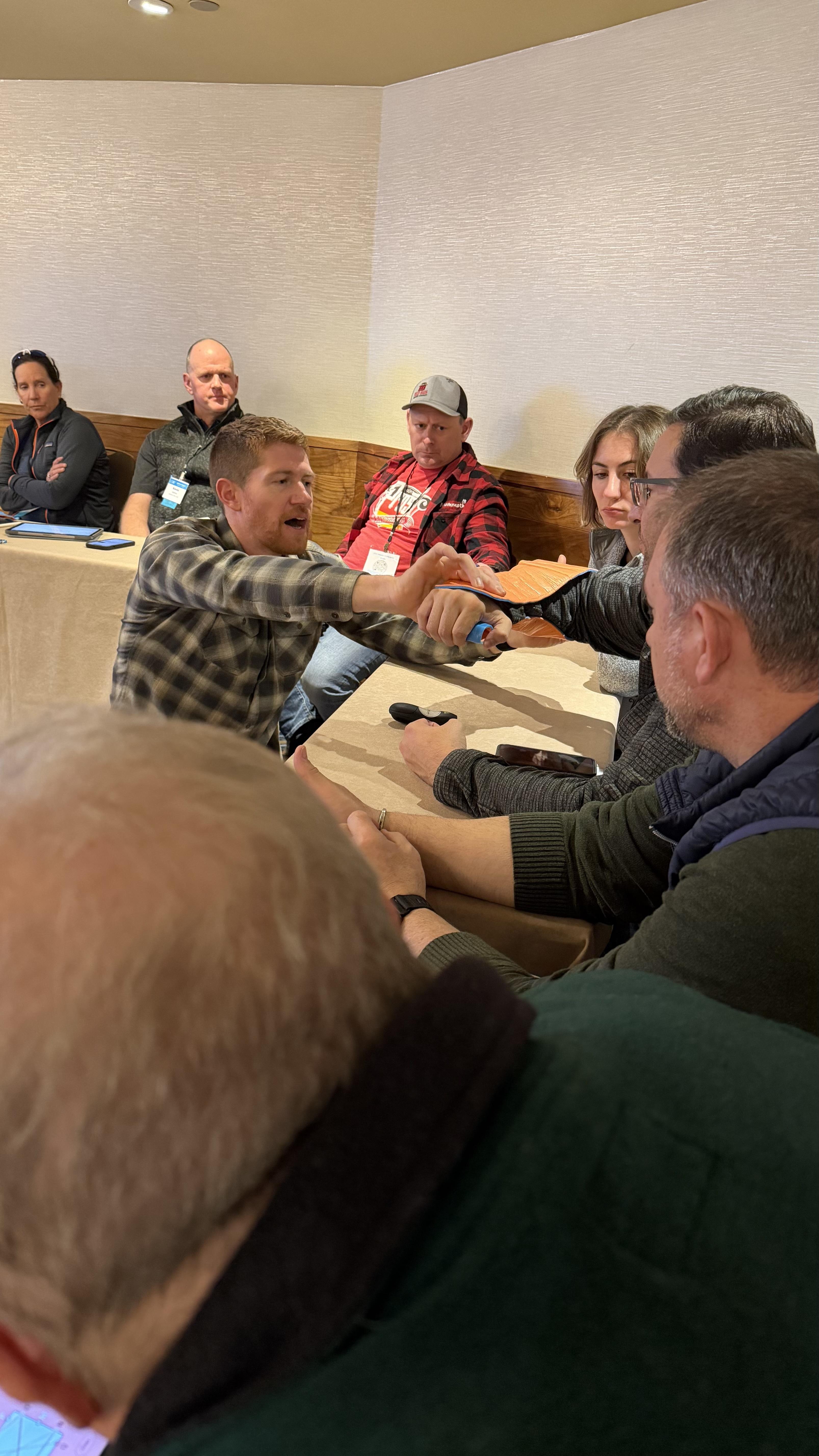
Photo courtesy of WMS Staff and Members.
On the closing day, we had the pleasure to learn about managing dental emergencies, expedition nutrition, medical improvisation, and medicinal plants. These lectures highlighted that despite all of our preparation in traditional clinical settings, practicing medicine in an austere environment requires innovative and imaginative problem solving. We learned from real-world examples and numerous illustrations of ingenious medical solutions when resources are scarce and life or limb are threatened.
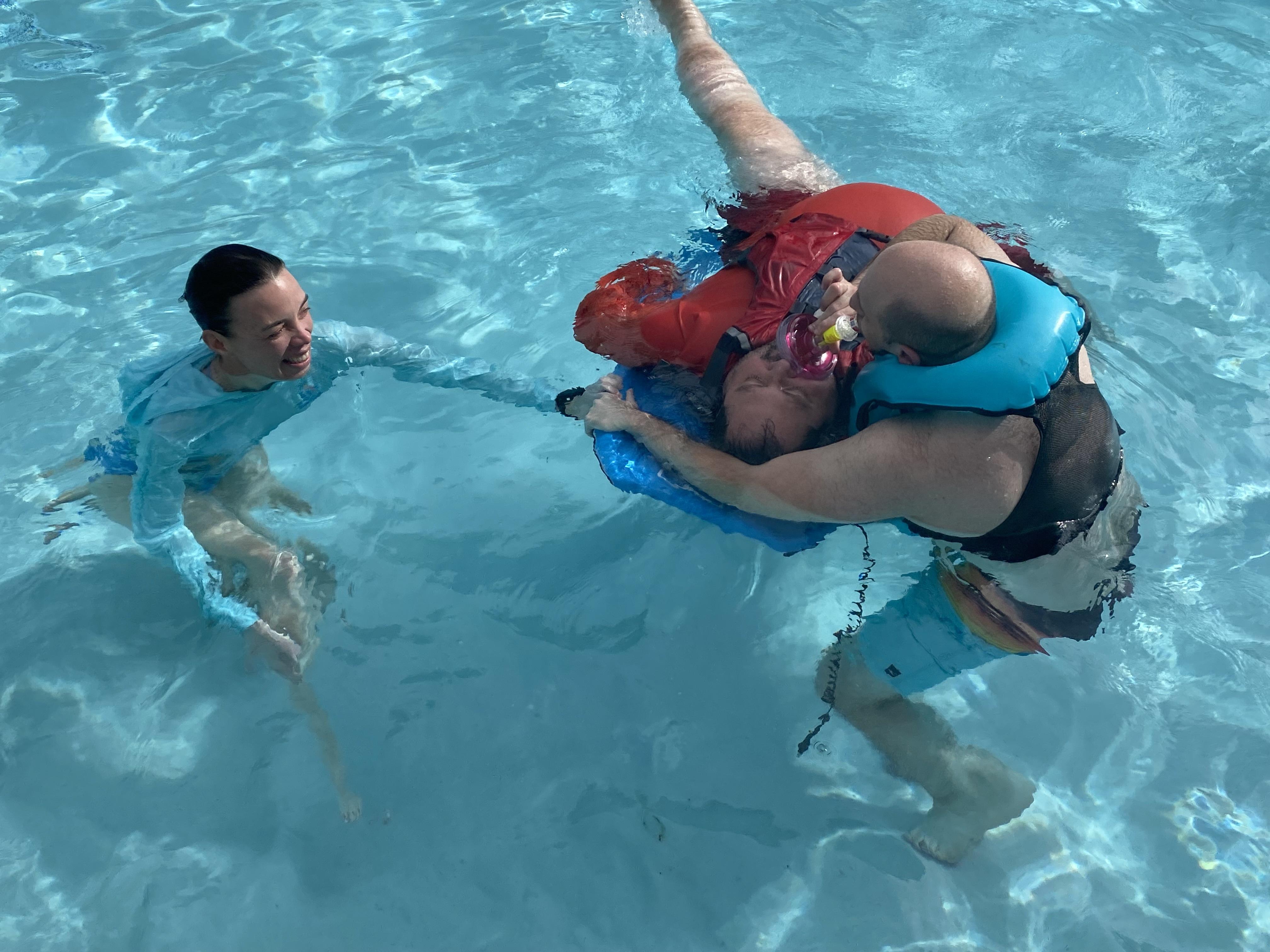
Photos courtesy of WMS Staff and Members.
>We thoroughly enjoyed the balance of entertaining, engaging, and educational lectures with realistic training throughout the conference. We learned about cutting edge high altitude research, expedition related pharmaceuticals, and had the opportunity to practice avalanche rescues. Lectures and skill sessions were taught by experienced professionals with an incredible wealth of knowledge and expertise. There was also a wealth of opportunity to network and pursue opportunities for future involvement in the wilderness medicine community.
Overall, it was an honor for us to be selected as ambassadors, and we appreciate that it’s made possible through the donations of our WMS members. Because of your support, we left Lake Tahoe inspired, better prepared, and grateful to be part of a community dedicated to improving care in challenging environments.