A Lifelong Waterman’s Education: Learning Respect Before Technique
Rivers have a way of teaching lessons long before we have words for them. Long before students encounter charts, equations, or scientific terms, they discover that moving water communicates risk, beauty, and consequence. As both a classroom educator and river guide, I have come to believe that this dual perspective; seeing water through the lenses of instruction and immersion; is a powerful tool to cultivate a generation of students who are not only competent around water but deeply invested in protecting it. In wilderness medicine, drowning prevention begins long before an emergency; it begins with respect, awareness, and connection.
Spending a lifetime around water reshapes how one perceives risk. As a river guide, I learned early that rivers do not reward complacency. They demand attentiveness, humility, and preparation. Reading water, understanding hydraulics, strainers, cold shock, and seasonal flow changes, is not just a technical skill, but a mindset grounded in respect.
When that mindset enters the classroom, students pick it up immediately. They sense that water is not abstract. Stories of real decisions on moving rivers, choosing conservative lines, portaging when uncertainty creeps in, recognizing how fatigue or cold degrades judgment transforms checklists into lived experience. These narratives resonate deeply with themes common in drowning prevention literature: most water accidents are not caused by lack of ability, but by underestimating conditions. By framing water as a living system with agency rather than as a backdrop, students begin to internalize a conservative, thoughtful relationships with aquatic environments. That respect, formed early, becomes a powerful protective factor, one that wilderness medicine practitioners recognize as foundational to preventing drowning and other water-related emergencies.
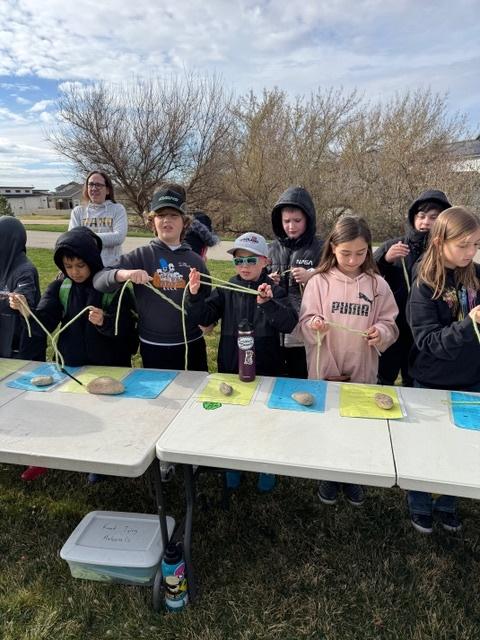
Students learning to tie knots (R. Clark, 2024)
Anadromous Fish: Teaching Stewardship Through Struggle and Migration
Few organisms tell the story of our waterways as clearly as anadromous fish. Salmon and steelhead embody resilience, navigation, and the cumulative impact of environmental disruption. Studying their life cycles offers students a tangible entry point into watershed health, connectivity, and human influence.
When students learn that these fish must survive both freshwater and marine environments, by navigating dams, warming waters, and degraded habitats, they begin to see rivers as corridors of living energy rather than their isolated features. Discussions about spawning, oxygenation, and flow directly tie fish survival to water quality and quantity. This ecological framing naturally reinforces water safety principles: cold, fast, oxygen rich‑ water can be both life‑giving and deadly depending on context.
From a wilderness medicine perspective, the same forces that challenge fish- current speed, temperature, and seasonal variability- are the same forces that place humans at risk. By understanding rivers through the struggles of anadromous fish, students develop empathy and stewardship. They begin to ask not only, “Is it safe for me?” but also, “Is this river healthy?”. That shift in perspective fosters long-term advocacy grounded in knowledge rather than fear.
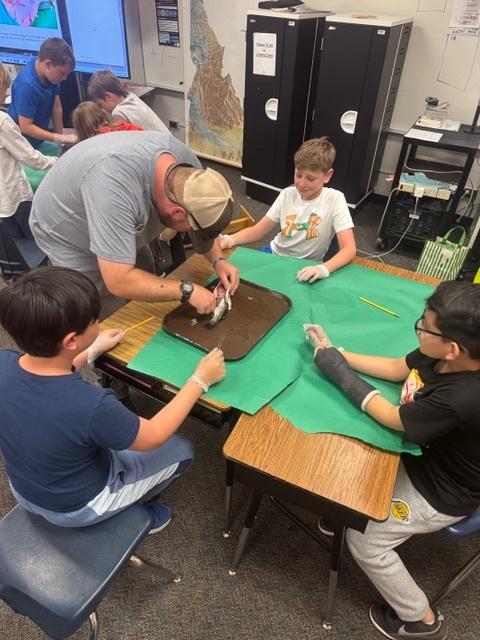
Students with a fish biologist dissecting trout (R. Clark, 2024)
From Classroom Tanks to Riverbanks: Building Advocates Through Fisheries Programs
Programs such as Trout in the Classroom exemplify how experiential education builds lasting connections to water. Raising fish from eggs to fry in a classroom transforms abstract concepts like dissolved oxygen, nitrogen cycles, and thermal stress into daily, hands-on learning.
Students quickly see how small changes in water such as temperature fluctuations and contamination have real consequences. When those trout are later released into local streams, the experience closes the loop between classroom learning and real-world ecosystems. The river is no longer anonymous; it becomes home.
Fishing then becomes not simply a recreational activity, but an extension of stewardship. Students who fish waters they helped stock are more likely to notice water changes, pollution, and access issues. They become invested observers. From a safety standpoint, these students approach water more cautiously and attentively, having learned that small environmental shifts matter. Wilderness medicine recognizes that familiarity does not reduce risk unless it is paired with understanding. Fisheries programs accomplish exactly that by coupling passion with ecological literacy, producing young water users who balance enthusiasm with respect.
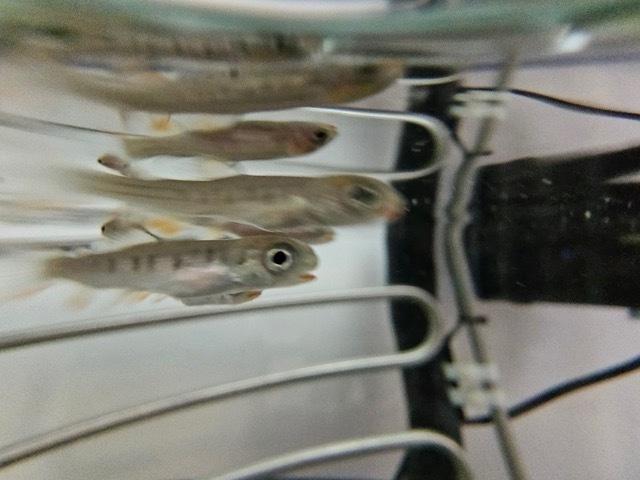
Trout fry being raised in a classroom tank (S. Brown, 2024)
Fly Tying: Curiosity, Insects, and Seeing the Invisible
Fly tying may seem far removed from water safety, but in practice it deepens awareness in subtle and powerful ways. The moment students begin tying flies, they start looking at insect life, streamside vegetation, seasonal hatches, and microhabitats previously ignored.
This attention to detail cultivates observational skills essential to both wilderness medicine and drowning prevention. Students learn to notice current seams, depth changes, and temperature gradients not because they were warned, but because they are curious. Beauty draws them in and curiosity keeps them engaged. Understanding insects also reinforces ecological interdependence. Aquatic insects are sensitive indicators of water quality, linking chemistry, habitat, fish health, and human impact. As students connect these dots, rivers become dynamic systems worthy of care and caution.
Fly tying, in this sense, is not about fishing; it's about perception. It teaches patience, precision, and respect for complexity. These same qualities underpin safe behavior around water and thoughtful responses when conditions change.
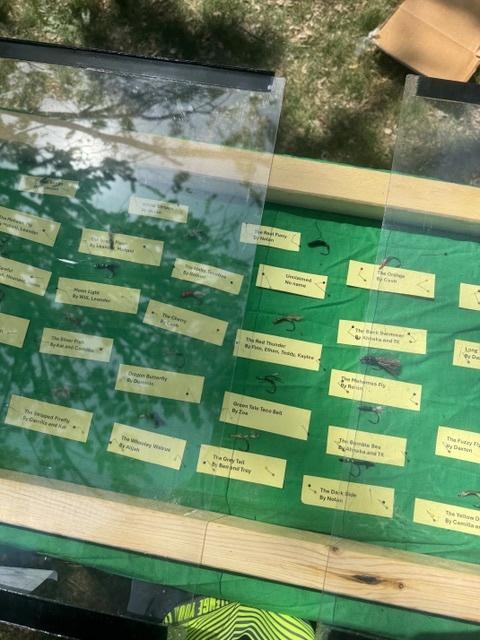
Display of fly-fishing lures tied by students (R. Clark, 2024)
Conclusion: Conservation Is Prevention
In wilderness medicine, we often say the best rescue is the one that never happens. Education that builds respect for water, understanding of ecosystems, and personal connection to rivers does exactly that. By leveraging experiences as educators, we can shape students who see rivers not as obstacles or playgrounds alone, but as powerful systems deserving care.
At the waterline, conservation, curiosity, and safety converge. When students learn to love rivers, they also learn to listen to them. That may be our most effective drowning prevention strategy of all.