Last Thursday,
a group of twenty 4th- and 5th-grade schoolchildren were
involved in a grizzly attack during an educational nature walk along a local
trail in Bella Coola, B.C. In what conservation officers are calling a “very unusual” occurrence, three children and one adult were seriously harmed
after a grizzly bear emerged from the forest while the group had stopped for
lunch on the trail. In an act of heroism, two teachers reportedly placed
themselves between the students and the bear, using bear spray and bear bangers
to fend off the attack. Due to the teachers’ heroic efforts, only 11 were
harmed, with the majority of the group suffering only minor injuries; however,
four individuals remain hospitalized, two in critical condition. This event has sparked debates regarding the dissonance between the growing bear population following British
Columbia’s 2017 ban on grizzly hunting and the region’s continued need for
conservation of threatened bear species. Despite this debate, the event has
unitedly emphasized the importance of prevention, protection, and management of
bear-human conflicts.
The most
important steps in avoiding a human-grizzly conflict are prevention and
protection. Adverse encounters can be prevented by following proper viewing etiquette. If
you encounter a bear or are in an area where they are native, remember that you
are a visitor in their habitat; respect their space and do not approach them.
Stay on designated trails and let the animals go about their business. Keeping
your distance and not surprising bears are among the most important actions one
can take. Additional preventative measures include traveling in groups, leaving
pets at home, and properly storing/disposing of food.
In
addition to educating oneself on their surroundings and following proper
etiquette, it is also key to come prepared with protective equipment. Bear spray, when used correctly, may be used to stop
an aggressive or attacking bear. Bear bangers are another useful tool in
fending off a bear encounter, and function by creating a loud bang to scare
away bears and other wildlife. If you feel that a bear has noticed and
is paying attention to you, there are several steps to take
to prevent the situation from escalating:
- Identify Yourself: Talk calmly so the bear recognizes you as human. Stand your ground, and slowly wave your arms.
- Stay Calm: The bear may come closer, stand on its hind legs, or react defensively. Although this may seem threatening, it is essential to maintain composure. Continue speaking calmly. Do not scream or make any sudden movements, as this may prompt the bear to charge.
- Leave the Area: If the bear is stationary, move slowly and sideways – as this allows you to keep your eyes on the animal. DO NOT attempt to run or climb a tree.
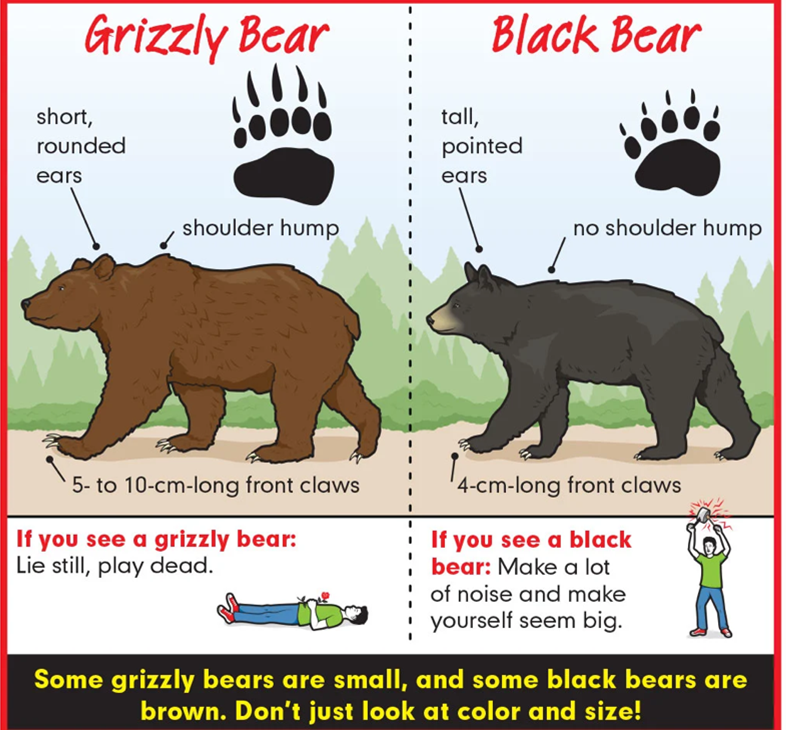
Bear Safety Basics Source: Scholastic Action Magazine
Bears do not typically engage with humans, but may act defensively when protecting their space, food, or cubs. Of note, defending against brown bear attacks differs from that of black bears. Current guidelines support the colloquialism “If it’s brown, lie down. If it’s black, fight back!” If attacked by a brown/grizzly bear, leave your pack on, and play dead. Lay prone with your hands behind your neck and only fight back if an attack persists. If attacked by a black bear, fight back. Make yourself large, loud, and threatening. In either case, remember never to run – you cannot outrun a bear.
In the aftermath of a bear attack, establish scene safety. Confirm that the environment is free of any hazards and that there is no further possibility of human-bear conflict. Once safety is established, several steps can be taken to address critical issues following a traumatic injury following the “ACE” protocol.
A – Airway & Respiratory: Reposition the individual to maintain an open airway by using the head-tilt, chin-lift maneuver.
C – Circulation/Hemorrhage: Provide firm, focused, and continuous pressure on bleeding wounds for 10 to 15 minutes. If pressure alone does not stem bleeding, consider tourniquet application.
E – Evacuation: While awaiting further assistance, ensure the individual is kept warm to prevent further decompensation. If in a group of 3 or more, send somebody from the scene to seek help. One should be prepared to share several details with the rescue team, including:
- Detailed location of the accident
- Victim’s Age
- Nature of the injury
- First aid rendered
- Any hazards present
- Photos of the injury and/or accident site
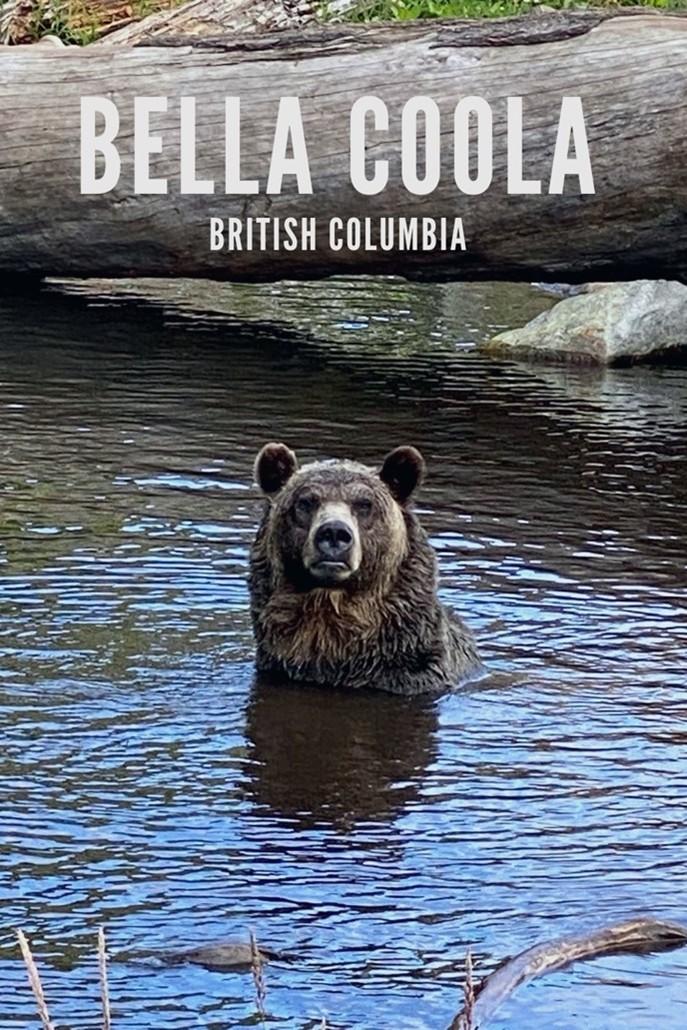
The Bella Coola Valley is known as one of the “best places” in B.C. to observe bears in their natural environment. This is because the bears descend from the mountains in early fall to hunt salmon before hibernation. Source: PintSizePilot.com
While last week’s incident in Bella Coola was a rare and deeply unsettling event, it serves as a powerful reminder of the respect and preparedness required when sharing space with wildlife. Grizzly encounters, though uncommon, can escalate quickly making prevention, situational awareness, and proper equipment essential for anyone venturing into bear country. This event also highlights the tremendous impact of timely, courageous action; the teachers’ response undoubtedly prevented greater tragedy. As discussions continue around conservation, population changes, and human-wildlife coexistence, the central message remains clear: education saves lives. By understanding bear behavior, practicing safe trail etiquette, and knowing how to respond in a crisis, communities can better protect both people and wildlife.