80-Year-Old Drug Should Be Withdrawn!
In 2022, an article quietly appeared in a medical journal: “Diphenhydramine: Time to Move On?” At the time, there was no stir in the medical community or mediaverse. However, in February of this year, an otorhinolaryngologist from Johns Hopkins penned an editorial: “Diphenhydramine: It is Time to Say a Final Goodbye.” This time, the story generated quite the stir in the media, with articles such as “Does Benadryl Do More Harm Than Good?” Lasting about as long as hay fever season, press about interring Benadryl seems to have died down, and the anti-antihistamine storm has passed with the product remaining in a dizzying array of single and combination presentations on drugstore shelves.
Histamine and Antihistamines 101
As most readers know, Benadryl is an antihistamine. Histamine, a neurotransmitter, was discovered in 1910. It is released when an allergen such as pollen, pet dander, or insect sting binds to immunoglobulin E (IgE) antibodies on mast cells and basophils; the ensuing physiological effects can include pruritus, sneezing, nasal congestion, rhinorrhea, edema and flushing, and bronchoconstriction. Other effects include increased capillary permeability (vasodilation) for WBCs and other acute phase reactants. It stimulates acid secretion in the gut, and in the CNS, it plays a role in the sleep-wake cycle, alertness, appetite control, learning, and memory. Histamine acts on the following receptors:
- H1: typical allergic symptoms
- H2: gut actions and regulatory role in immune function
- H3: inhibitory feedback system on histamine-producing neurons in CNS
- H4: chemotaxis, regulates inflammation in autoimmune diseases
Antihistamines do what their name suggests: they block histamine receptors. They include:
First-Generation H1 Antihistamines (oral agents)
- Brompheniramine: Found in products like Children's Dimetapp Cold
- Carbinoxamine: Used in some prescription allergy and cold medicines
- Chlorpheniramine: Available OTC as Chlor-Trimeton
- Clemastine: Formerly sold under the brand name Tavist
- Cyproheptadine: Prescription antihistamine and serotonin antagonist
- Dimenhydrinate: Used for treating motion sickness; brand name Dramamine
- Diphenhydramine: Most widely used of this group, brand name Benadryl. Is also available IV/IM and is indicated for amelioration of allergic reactions to blood or plasma, in anaphylaxis as an adjunct to epinephrine and other standard measures after tacute symptoms (urticaria, angioedema) have been controlled, and for other uncomplicated immediate type allergic reactions when oral therapy can’t be used. Also indicated for motion sickness and certain patients with parkinsonism
- Doxylamine: Available in several nighttime cold and sleep medications, such as NyQuil and Unisom SleepTabs
- Hydroxyzine: Prescription used for anxiety, itching, and sedation before surgery
- Promethazine: Prescription used for antiemetic and sedative properties
Second-Generation H1 Antihistamines
- Cetirizine (Zyrtec) – available orally and IV
- Loratadine (Claritin) - oral
- Azelastine (Astepro nasal spray)
Third-Generation H1 Antihistamines– these are all active metabolites or enantiomers of second-generation antihistamines
- Levocetirizine (Xyzal)—the active component of cetirizine
- Fexofenadine (Allegra)—the active component of the now-withdrawn second-generation drug terfenadine
- Desloratadine (Clarinex)—the active component of loratadine
There are also other prescription antihistamine nasal sprays, topicals, and eye drops for allergic conditions.
H2 antihistamines are used for GERD, ulcers, acid reflux, etc. they include famotidine (Pepcid) and cimetidine (Tagamet); the formerly branded Zantac is now famotidine. The only available H3 antihistamine is ispitolisant (Wakix) for narcolepsy. H4 antihistamines are being studied for their role in autoimmune disease and chronic inflammation.
The Antihistamine Market
The global antihistamine market was valued at approximately $282.7 billion in 2023 and is projected to grow to around $616 billion by 2033 (compare this to the sleep aid market - $89.6 billion in 2022, $125.3 billion by 2033). The “non-drowsy” or second- and third-generation antihistamines occupy the largest market share; approximately 60% of the OTC antihistamine market is second-generation antihistamines . Allergic rhinitis far and away constitutes most of the market, but urticaria, dermatitis, and other conditions are treated with antihistamines. The increasing consumption of antihistamines may also be due to increasing incidence of hay fever, allergic rhinitis, and other environmental exposures that have been linked to the rise in air pollutants and the changing plant biomes and seasonality associated with climate change. The larger market share of the second- and third-generation antihistamines is also likely due to the issues with the first-generation ones – discussed below.
So, What’s the Beef with Benadryl?
Benadryl was approved as a prescription drug in 1946 and went OTC in 1982.

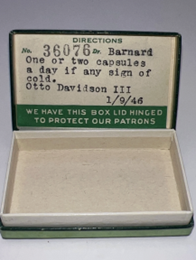
1946 prescription box for Benadryl
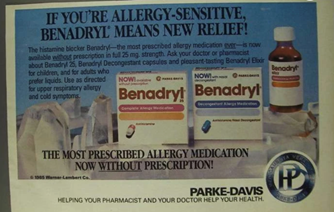
1986 Ad for OTC Benadryl
Like the other first-generation antihistamines, diphenhydramine crosses the blood-brain-barrier and causes sedation by blocking histamine’s effect on wakefulness in the hypothalamus. These antihistamines are often used off-label as sleep aids by causing drowsiness, but do not produce quality sleep: they can interrupt REM sleep cycles and can cause next day “hangover effects”, such as sedation, daytime sleepiness, and effect on memory. The American Academy of Sleep Medicine recommends that clinicians do not use diphenhydramine for sleep onset or sleep maintenance insomnia.
Tolerance can develop quickly to their sleep-inducing properties. In certain doses, they can cause cardiac toxicity including QTc prolongation and torsades de pointes; two older antihistamines – terfenadine (Seldane) and astemizole (Hismanal) were withdrawn for the market for this reason. Health Canada and Britain recommend that diphenhydramine not be sold in combination in cough and cold products to children under 6 years old (5 years old in the US) because of potential serious sides effects. Hydroxyzine was given a black box warning in Canada in 2016, and Benadryl requires a prescription in some countries because of safety issues.
First-generation antihistamines shouldn’t be combined with alcohol or other substances that may increase sedation and they shouldn’t be used while operating heavy machinery. Pilots need to wait 60 hours before flying after taking diphenhydramine or doxylamine (5 days for chlorpheniramine and clemastine), whereas fexofenadine and loratadine and other non-sedating antihistamines are OK pre-flight. Diphenhydramine is contained in around 300 combination products – so uninformed consumers may not be aware that they are consuming a sedating antihistamine unless they carefully scrutinize the inscrutable label of some of those cough and cold products - although if “Nighttime” or “Sleep Aid” is part of the name of the product, it will likely contain a sedating antihistamine like diphenhydramine or doxylamine.
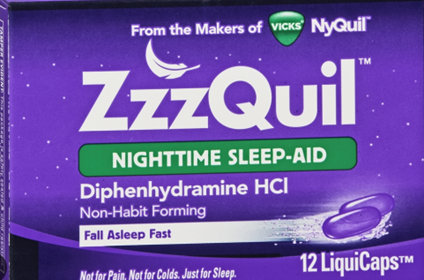
Example of nighttime sleep aid containing diphenhydramine.
Diphenhydramine and the other first-generation antihistamines have anticholinergic effects: they block acetylcholine, a neurotransmitter used in cognitive processing, causing a risk of dementia. Not surprisingly, because of their sedative effects, these agents have been shown in a meta-analysis of almost 500 clinical studies to cause an increased risk of falls and fractures and falls in the elderly. Other side effects include dry mouth, dizziness, urinary retention, and orthostatic hypotension. Diphenhydramine is on the American Geriatrics Society (AGS) Beers Criteria for Potentially Inappropriate Medication (PIM) Use in Older Adults (aka The Beers List) as a drug with strong anticholinergic properties (along with the other first-generation antihistamines), although the criteria do state that “use of diphenhydramine in situations such as acute treatment of severe allergic reactions may be appropriate.”
What Does the FDA Say?
Sometimes people, especially teenagers, have to be saved from themselves. In September 2020, the FDA issued a statement about the “Benadryl Challenge” (remember the earlier Tide Pod Challenge?). Even though the FDA, perplexingly vague, didn’t explain what was happening in their statement, it appeared in a Drug Topics article: teens posting videos of themselves hallucinating after ingesting high doses of Benadryl. Unfortunately, some overdosed and died. This might have been what prompted Dr. Clark and his colleagues to write the February 2025 article urging removal of Benadryl from the market.
Comparison of First-Generation to Newer Generation Antihistamines
Is there any reason to continue to use first-generation antihistamines given their adverse safety profile?
Benadryl IV’s onset of action is around 2-5 minutes vs. oral of 30-60 minutes, while the duration of effect is about 4-6 hours. This would be ideal for an acute allergic reaction that needs to be dealt with immediately (although it is to be used as an adjunct only in the treatment of anaphylaxis) and where longer-term effects of sedation are unwanted or unneeded, although the drowsiness might be useful for someone who has pruritus that is affecting their sleep. Until 2019, IV diphenhydramine was the only intravenous antihistamine still available in the US, when IV cetirizine hydrochloride was approved for the treatment of acute urticaria. Randomized clinical trials have shown cetirizine to be non-inferior clinically to diphenhydramine and producing fewer side effects such as less sedation. The onset of action of cetirizine IV is around 5 minutes (for oral, 20-60 minutes) and the duration of action is 24 hours for both forms. While diphenhydramine IV has been around much longer than cetirizine IV so it might be cheaper, a recent study comparing the two drugs for the treatment of urticaria in an emergency department found that cetirizine was more cost-effective due to shorter visit duration and fewer return visits. On amazon.com, for the oral formulations of the drugs, a typical cost of diphenhydramine 25mg is $0.01-0.02/tablet; for cetirizine, $0.03-0.04/tablet.
There are few studies that directly compare the efficacy and safety of first-generation to the newer-generation antihistamines. A randomized study of 610 patients found that diphenhydramine 50mg produced statistically significant improvement in clinical symptoms vs. loratadine but had more somnolence. An interesting meta-analysis from 2003 found that diphenhydramine did not have a significant difference in sedative properties as measured by performance impairment compared to second generation antihistamines.
For local reactions, there are topical antihistamine products containing diphenhydramine and other antihistamines which provide a less drowsy alternative to oral agents.
Implications for Wilderness Medicine
Antihistamines show up in wilderness medicine-related recommendations for a multitude of reasons – primarily for allergic reactions, as a sleep aid, for seasickness, and allergic rhinitis. Auerbach’s Wilderness Medicine Seventh Edition mentions using diphenhydramine and some other first-generation antihistamines for their antiemetic effects, combined with opioids for pain management (Chapter 47 Principles of Pain Management).
Some of you may have occasionally popped a Benadryl from the med kit after tossing and turning in your tent after a stimulating day and perhaps added a beer to amplify its effect. (Except for those who experience a paradoxical reaction to the drug like kids and some adults who get stimulated instead of drowsy.) However, the sedating effect of the first-generation antihistamines is an important consideration in a wilderness environment, especially if self-evacuation needs to be conducted. Because the older agents have an anticholinergic effect, they may impair sweating, adversely affecting the body’s thermoregulatory functions, increasing the risk of heat stroke and exercise-induced hyponatremia in hot environments. As well, elderly patients are more susceptible to heat disorders, especially if they are taking concomitant drugs with anticholinergic activity (and there is also the risk of cardiac toxicity). Urinary retention may be an unwanted and potentially dangerous side effect.
Is It Really Time for Benadryl to Go?
The newer second- and third-generation antihistamines have been proven to work, have less side effects, and are certainly being used increasingly more than the older agents. For sleep aids, there are alternative agents that are likely safer than the older antihistamines. However, there have been some criticisms of some of the older antihistamine-associated dementia studies – such as they were small cohort observational studies and did not thoroughly study underlying comorbidities in elderly people which may also contribute to dementia risk - not proving causation. If taken for sleep chronically, are the reasons for the insomnia contributing to the dementia and not the drug? And why only Benadryl – aren’t the other first-generation antihistamines just as troublesome? The answers to these questions still remain, and perhaps that is why Benadryl has not been pulled from the shelves yet. And sometimes it’s just hard to let go of an old friend.