Burnout is an occupational phenomena caused by workplace stress. It’s attributed to bureaucratic tasks, barriers to care, insufficient staffing, and system inefficiencies, rather than direct patient care, which most clinicians find meaningful. In a 2023 report 53% of physicians reported burnout. We must rekindle purpose and encourage institutions to evolve and provide effective support.
The Mechanism of Burnout
Burnout develops gradually – an evolving disconnect between provider commitment to patients and a healthcare system increasingly driven by financial priorities. Clinicians shoulder the burden of doing right by patients, even when the system fails them—fueling exhaustion and moral injury. This is deepened by narratives that ascribe systemic failures to a supposed lack of staff resilience. In contrast, wilderness mdicine can reignite purpose by offering autonomy, clear operational goals, and engaged teams —reminding providers why they chose healthcare.
Emergency, Prehospital Medicine, and Expedition Physician, Dr. Joe Rowles, adds, “In the emergency department, even after you save a life, there’s no time to process or celebrate it—there are fifty more patients waiting. But on an expedition, humanitarian mission, remote shoot or other project, there’s a clear beginning, middle, and end—when it wraps, there’s a moment to breathe and appreciate the success. That kind of closure doesn’t exist in hospital medicine.”
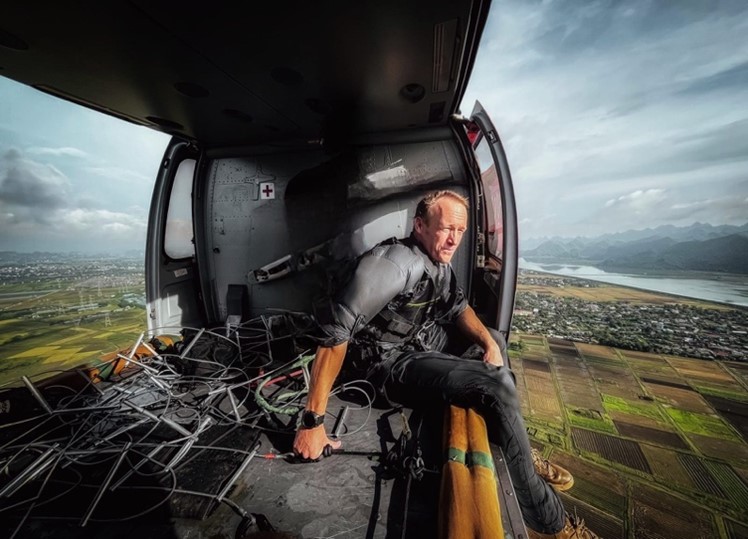
Photo courtesy of Dr. Joe Rowles
The Antidotes: Purpose, Autonomy, Nature, Kindness
Research indicates a sense of purpose, greater autonomy, and time in nature are linked to improved mental health, reduced stress, and increased resilience. These can be protective factors against burnout supporting long-term well-being in healthcare professionals.
While volunteering to teach skills to Special Forces Medics, Mayo Clinic Florida, Emergency Medicine Department Chair Dr. Leslie Simon said “Teaching a one-day military medicine course helped heal years of Covid-19 related burnout for me. It was a privilege to give something back and to be reminded of why I chose this path in the first place.”
Photo courtesy of Dr. Leslie Simon
The Value Added – Happy People Do Good Work
Wilderness medicine experiences can give a sense of purpose, autonomy, and happiness. Nature Scientific Reports found that spending time weekly in nature increased happiness by 20%. Acts of kindness contribute to higher levels of happiness. Safe staffing and decreased administrative tasks increase available energy for extra kindness. Oxford University’s Saïd Business School found that happy people are 13% more productive at work. Another study demonstrated that perceived autonomy and positivity significantly increased individual and group productivity.
Given the high cost of onboarding new providers, it is crucial to optimize and retain current providers. Happy people do good work and inspire those around them – improving team performance. Most providers engage in service-oriented activity using their limited vacation days – at the sole cost of personal recovery and family time - but the hospital system directly benefits. Subaru and several other companies recognize the advantages and offer paid volunteer days off (VTO). Imagine if all hospital systems did.
Critical and Emergency Medicine Consultant, Dr. Luca Carenzo, notes the benefit these experiences provided his practice. “Escaping into the wilderness through expeditions, or into hidden corners of our cities through urban exploring, allows me to disconnect from the demands of daily life and reconnect with nature, and the unseen, offering both a physical and mental reset that brings balance and perspective back to my medical practice.”
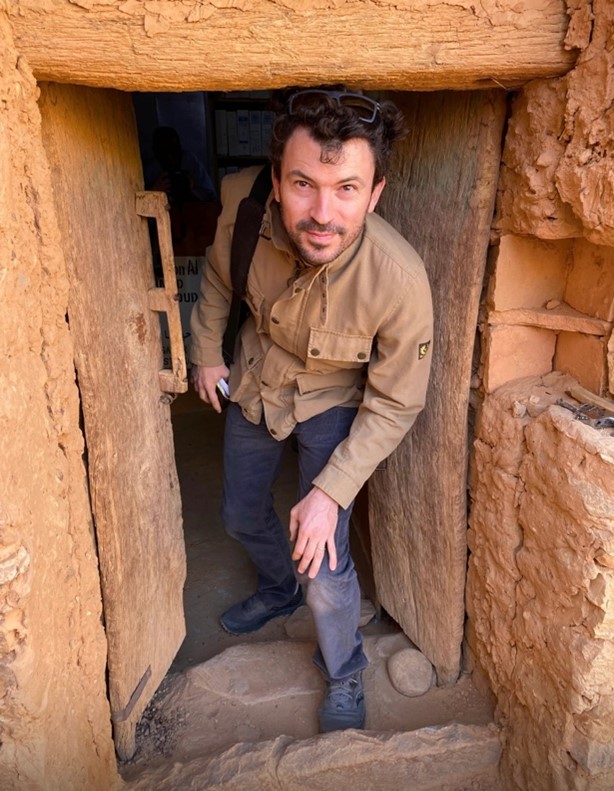
Photo courtesy of Dr. Luca Carenzo
Wilderness Medicine: Reclaiming Autonomy and Connection
Wilderness and humanitarian medicine experiences empower providers to practice broad-scope, resourceful, patient-centered care by requiring adaptability, clinical creativity, and attention to individual needs in dynamic, low-resource environments. Providers must make independent decisions in remote and often unpredictable settings, emphasizing autonomy.
Hazardous Area Response Paramedic: Jude Wergasow: “Working out in Fiji - on a remote television location - opened my eyes to an entirely new field of medicine—humbling, invigorating, and full of unknowns—which sparked my curiosity, led to incredible opportunities in amazing places, and ultimately made me a better paramedic.”
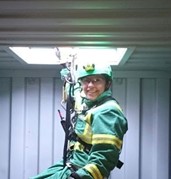
Photos courtesy of Paramedic Jude Wergasow
They foster innovation through creative problem-solving with limited resources. They rely on teamwork. Strong collaboration and trust are essential for mission success. These elements not only sharpen clinical skills but also reinvigorate a sense of professional fulfillment.
Advanced Paramedic Practitioner - Critical Care: Nikki Hewitt “Working in different roles, teams, and environments around the world has really helped me grow—not just by expanding my clinical skills, but by boosting my confidence, adaptability, and problem-solving, while also giving me a fresh perspective, a stronger sense of purpose, and some amazing lifelong connections along the way.”
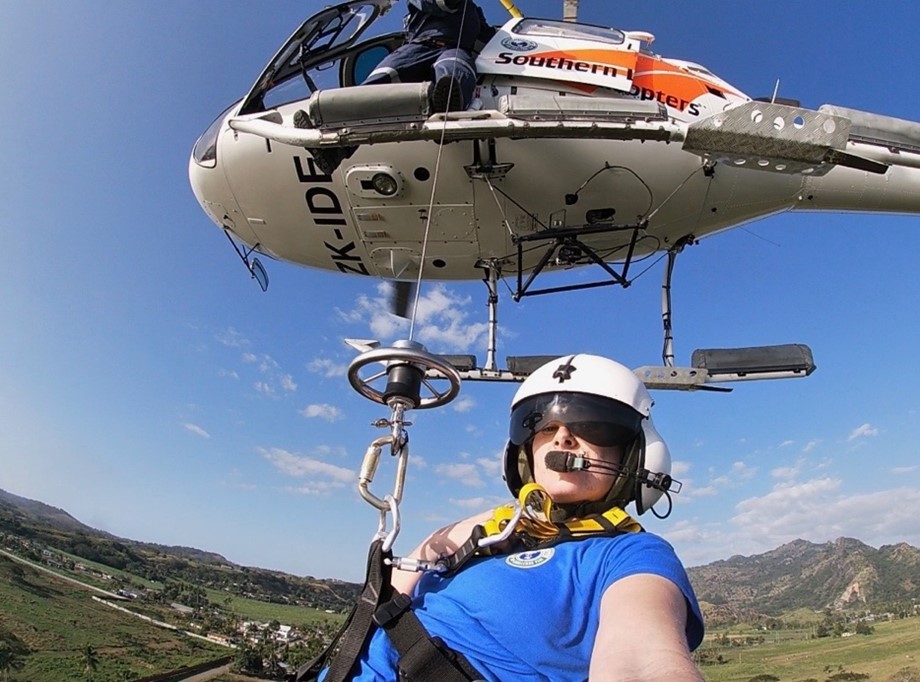
Photo Courtesy of: Nikki Hewitt: Advanced Paramedic Practitioner - Critical Care – U.K.
Humanitarian Medicine: Skill and Compassion
Serving under-resourced zones can strip away bureaucracy. Purpose takes precedence over paperwork. Actions feel meaningful. This clarity of perspective can reignite a calling that’s dulled by routine clinical administrative environments. Humanitarian work does not have to be a permanent or dangerous career choice. Short-term medical missions locally and abroad can offer profound rewards—renewed perspective, purpose, gratitude, and connection. The preparation these experiences provide can be invaluable when disasters strike closer to home, as experienced by many after Hurricane Helene in Florida, Georgia, South Carolina, and North Carolina.
Air Ambulance Paramedic Janet Towers: “Treating the locals in a developing country makes you realize and appreciate how good healthcare is in a developed country. The patients appreciate even the limited healthcare we provide here so much more than at home.”
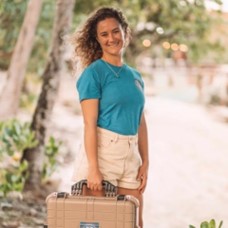
Photo courtesy of Paramedic Janet Towers
Advanced Paramedic Practitioner, Co-Founder and COO of the World Extreme Medicine Fund, Luca Alfrati, spends free time volunteering. “In the silence of mountain civvies and the tumult of field clinics, or war bunkers, I rediscover the WHY - because in remote, under-resourced, and often dangerous places, everything strips back to what matters: clear purpose, defined need, and the visceral knowledge that my practice truly saves lives.”
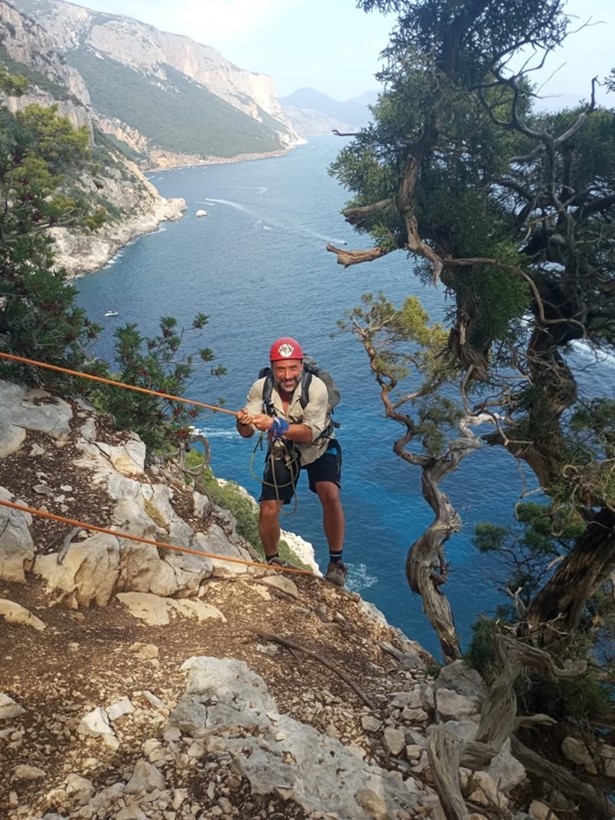
Photo courtesy of Luca Alfrati
Extreme Environments, Extreme Growth
Pushing physical and mental limits in extreme environments fosters resilience, adaptability, and a sense of accomplishment. Skill building in such environments challenges individuals and helps providers rekindle professional confidence and adaptability by honing critical thinking, managing uncertainty, and innovating under pressure. These experiences empower them to approach clinical problems with renewed perspective and resourcefulness.
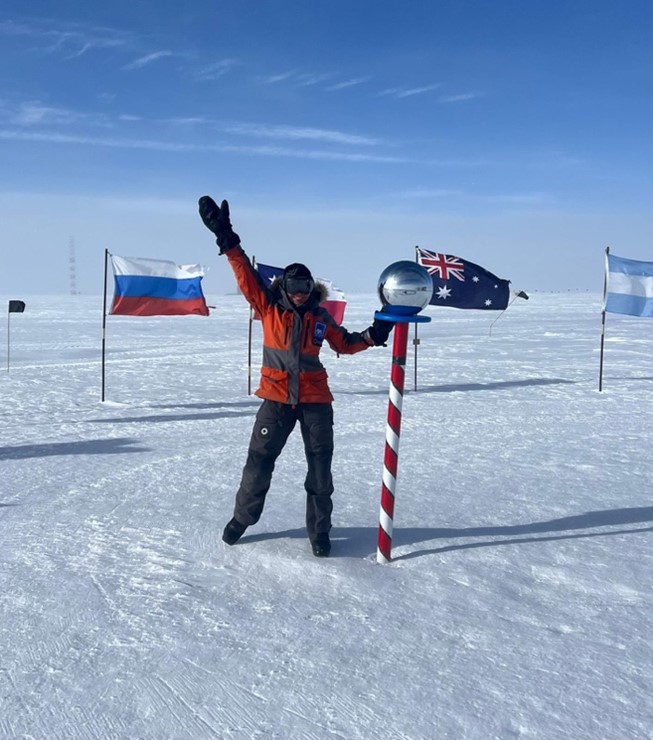
Photo courtesy of Catherine “Cat” Burford.
Dentist and Polar Explorer, aka The Molar Explorer, 13th woman to ski across Antarctica solo unsupported, Cat Burford notes “In the vastness and isolation of a solo expedition in Antarctica, I found the headspace and clarity that daily clinical pressures often drown out. I returned with a renewed sense of balance, focus, and purpose”.
Coming Back Different
Re-entering civilization from wilderness expeditions or humanitarian missions often gives clinicians a fresh perspective, renewed empathy, and deeper sense of purpose, benefiting their families, patients, and hospital systems. Witnessing the impact of care strengthens commitment to patient-centered practice and clarifies purpose. This brings tangible value to hospital systems.
U.K. G.P. and Expedition Doctor: Daniel Grace "Expedition medicine isn’t just about the adventure — it reshapes how we practice at home. We return with sharper purpose, deeper cultural insight, and a stronger grip on global health."
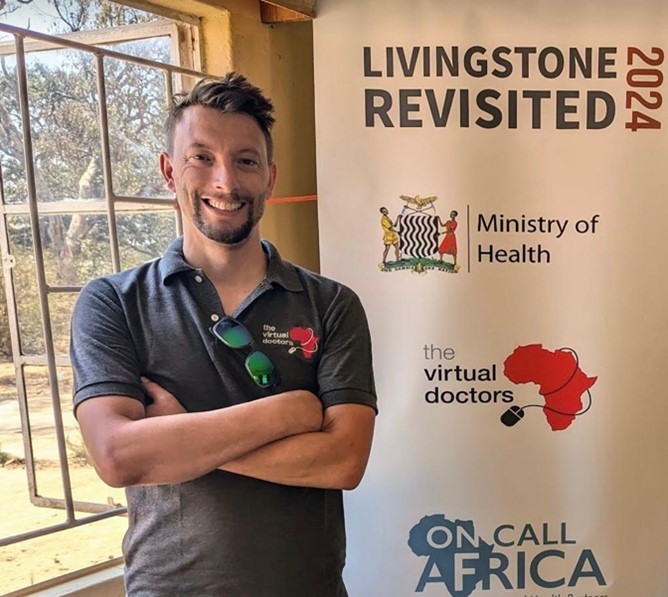
Photo Courtesy of Dr. Daniel Grace
A Call to Adventure and Meaning
We encourage readers to explore the valuable opportunities available. Join wilderness and expedition medicine courses and conferences, local rescue teams, humanitarian missions, free clinics, or providing medical support to sporting events, festivals and other outdoor gatherings. It is possible to build time at a free clinic into an FTE at some hospitals.
Burnout is real, but so is reinvention.
For the right clinician, the best way to save a medical career may be to periodically step away from the hospital or clinic. In the field, purpose, perspective and passion can come back into focus. In the silence and remoteness of the wild, medicine becomes human again, healing both patient and clinician.
This is a call to governments and hospital systems - recognize the force multiplying value that supporting these initiatives would bring to the organization and trial paid volunteer time off.
We distinguish between decision fatigue, burnout/loss of work satisfaction, and depression/loss of pleasure in activities. Wilderness experiences are not a panacea for decision fatigue and anyone experiencing depression should speak to their healthcare provider.
Sarah, Mark and Barry work together in wilderness, humanitarian, and extreme arenas – covering expeditions, remote TV and film production sites, and humanitarian missions – while promoting experiential learning in extreme environments and sharing worldwide the inspiring stories of medical professionals pushing boundaries.