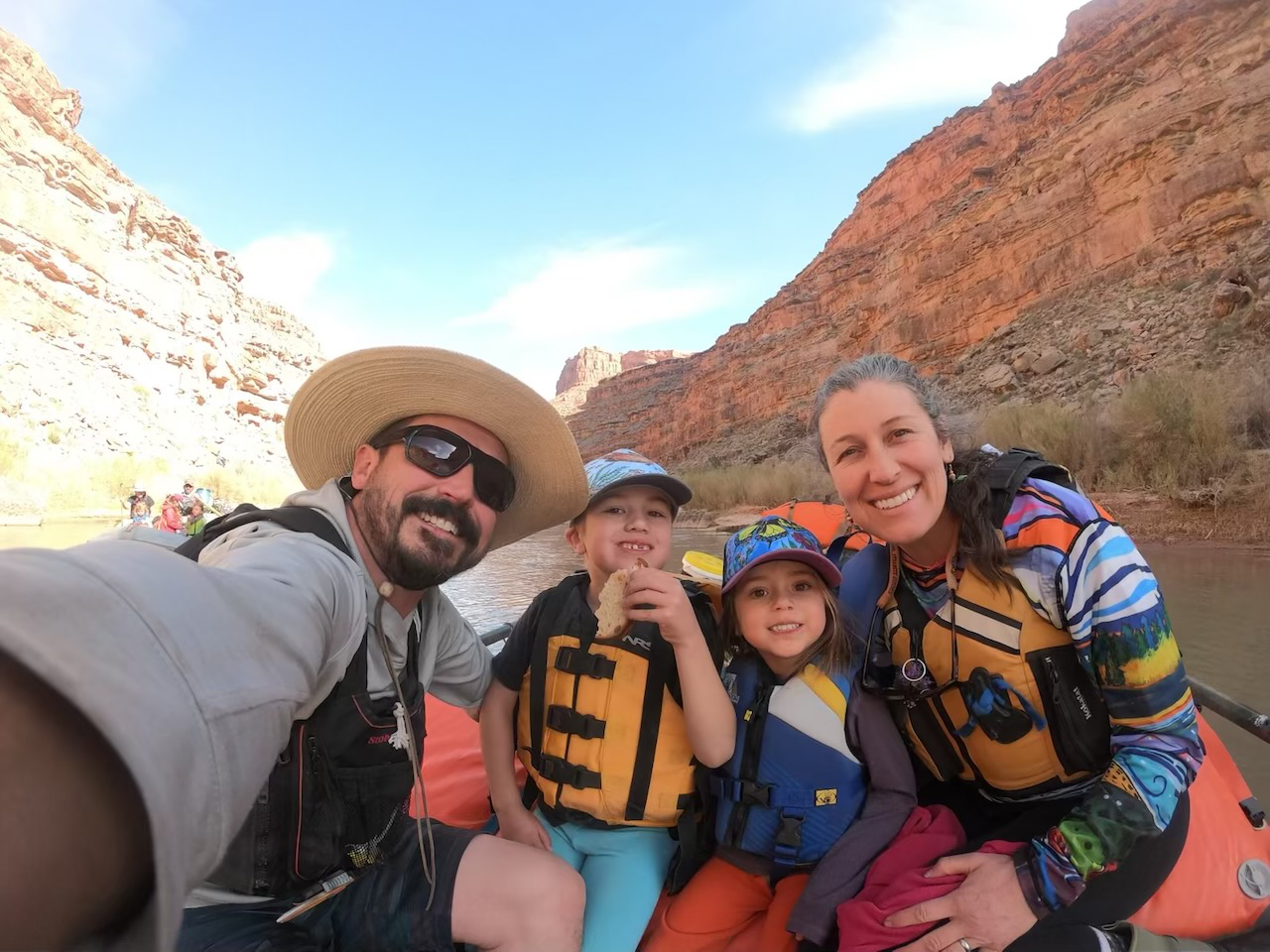
Make it easy to say yes to a new outdoor adventure.
Make it fun.
Empower your young adventurers.
Whitewater rafting is a great outdoor family adventure that is suitable to many different ages and experience levels. There are wonderful river trip options scattered across the US and the world.
The best way to get your kids on a river trip is to go with a professional guide service. A commercial river company will set you up with all the gear and handle all the logistics. One of the best parts of going with a commercial river outfitter is the river guides! River guides are multi-talented outdoor athletes, local experts, environmental conservationists, and professional kid entertainers. Their job is to ensure a fun and safe adventure.
For first time rafters and younger kids, choose a half-day trip—low barrier to entry and low commitment—that matches your family’s skill level and adventure tolerance. Many rivers have multiple sections to choose from. Whitewater sections are rated using a Class 1 to 5 system (kind of like skiing terrain) where a class 1 or 2 river section is a green slope experience, and a class 5 section is a double black diamond.
Call ahead and ask the river company about good sections for your age crew. In general, kids should be able to swim and follow some basic directions. If the company tells you that a particular section or river is not a good fit for your kid, then believe them! River companies want your business, and they want you and your kid to have the best and safest time. Read the pre-trip information. Fill out the medical forms accurately, but also tell your guide about relevant medical conditions.
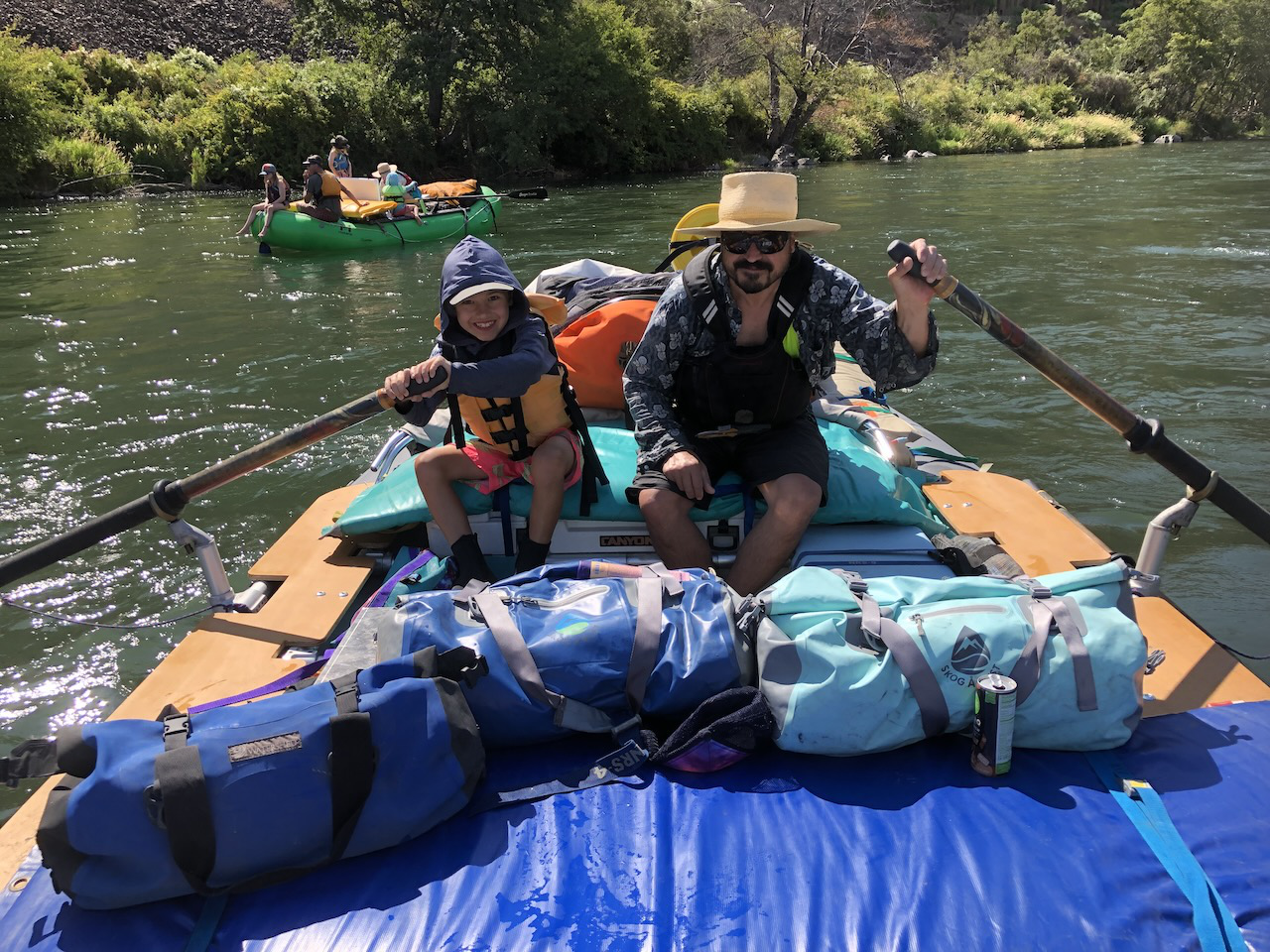
Get kids good gear. It doesn’t have to be fancy or name brand but should be appropriate size and materials. Think layers, changing conditions, sun protection, wind, and splashing waves.
Secure footwear is essential. Old tennis shoes and hiking socks work great because they are light, drain well, fit well, and give good toe protection. You can also get river specific sandals and shoes - closed toes are best. Avoid flip flops or slip-on diving socks as these aren’t secure enough for river play.
The guide company will provide life jackets, ensure a good fit, and require that life jackets are worn at all times on the river. Some more advanced sections of river may also require helmets. The life jacket size for kids depends on weight which is a good number to know before the trip.
Kids are more susceptible to environmental exposure. They have a different body surface area-to-mass ratio and get cold faster and hot faster. Mornings and afternoons can be cool on a river shaded by canyon walls, and even in the heat of summer, water temperatures remain icy cold on many rivers. Expect to get wet! When your kid is wet, they will get cold way faster. Bring more layers than you think you need. Your guide may have a dry bag to store layers – be sure to use it.
If the river company offers optional warm layers to rent, such as splash tops or wetsuits, then it’s usually a good idea to get them for kids. On the river, it is easy to cool off but difficult to warm up. Nothing ruins a kid’s day on the river faster than being cold and miserable.
Start the day hydrated and fed. Get your kid their water bottle first thing and encourage them to hydrate before launching on the river. Make sure that every kid has a water bottle of their own. Make sure their water bottle is within reach on the boat. Use a carabiner. Don’t put water bottles in dry bags. Remind everyone to stay hydrated with mandatory “water snacks” between rapids.
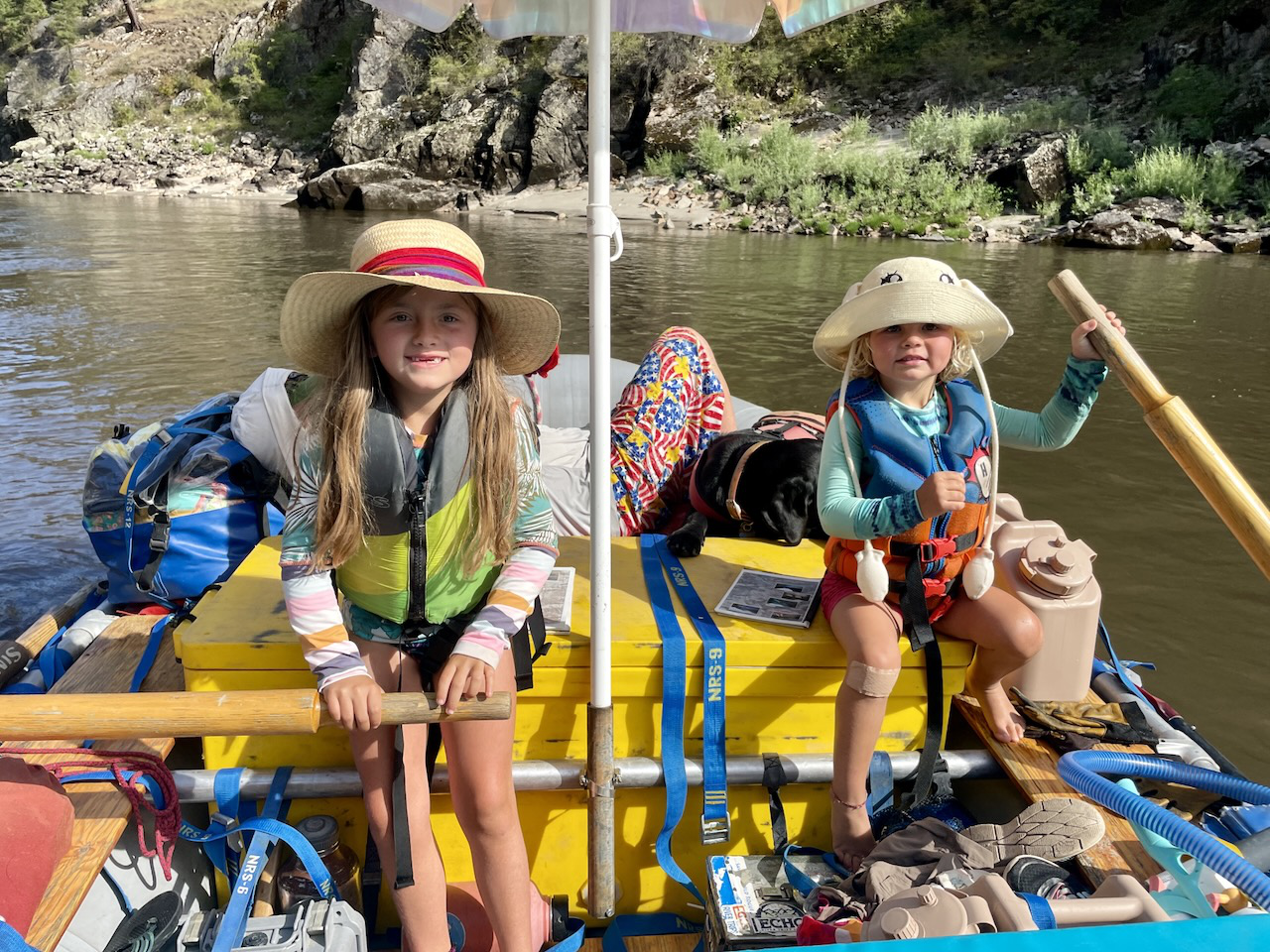
Use sunscreen and bring some on the boat to reapply during the day. Be extra mindful of the back of hands - a classic spot for sunburn while paddling. The best sun protection for kids is a hat and long sleeves. Don’t forget sunglasses for kids, too.
Kids need snacks! A day of paddling on the river can burn up a lot of energy. Many longer trips will have a snack bag on the boat and full day trips may even stop and provide a full lunch. Ask if you can bring along your own to supplement.
One of the great parts of whitewater rafting is that in a paddle raft each participant takes and active role in driving/powering the raft. Kids get their own paddle and become an active member of the crew. Whitewater rafting is a team sport and a great chance to meet new friends and add new group energy to a family vacation.
Get kids involved in safety and decision making. Ask the guide to teach them about river safety and river rescue and show off their ropes and carabiners and throw bags and rescue knives and carabiners and first aid kits. Get kids involved in packing their own personal first aid kit or snack kit. Have them choose their extra layers for a “warmy kit”.
Rivers are often the literal life force of communities and the most important topic in local discussions of environmental issues. A river makes a great classroom, and a river guide can make a great teacher. Between rapids, ask your guide about the local environmental issues affecting the river, dams, stream access laws, water levels, droughts, dams, snowpack, fishing populations, irrigation rights, or tips on how to spend a summer outdoors. River guides can be a wealth of knowledge, and you’d be amazed at how the same kids who won’t sit still for your jokes will hang on a river guide’s every word while they explain local ecology.