The effects of a warming planet contribute to the exacerbation of diseases that healthcare providers manage daily. Changing climate, increases in associated diseases, and extreme weather events strain entire hospital systems, but the impacts are exceptionally high in the emergency department. Healthcare providers have an essential role in educating the public on the health risks of the changing climate and should discuss this with our patients daily. Healthcare providers are uniquely positioned to influence the social and policy landscape concerning climate change. We should leverage that position to help our patients, legislators, and hospital administration better understand the links between climate and health.
A range of pathologies are exacerbated by climate change, and disproportionate effects are seen in minority and economically disadvantaged groups. These are some of the most vulnerable patients we care for, and we must strive to limit this impact. By effectively managing human-driven causes of climate change, we can help patients lead healthier lives and reduce the burden and costs on the healthcare system.
The Intergovernmental Panel on Climate Change (IPCC) outlines critical areas for change that can have a profound effect on limiting our current emissions and the subsequent impact on the climate; these include:
- Institutional level systemic and policy changes.
- Transition away from fossil fuels.
- Land-use change for significant carbon sequestration.
- Individual action to reduce emissions through consumer-driven change, including choosing renewable sources for energy production, reducing food waste, and reducing consumption of foods with a high emissions footprint.
- Co-benefits from addressing climate change include biodiversity conservation, water availability, food security, income distribution, urban sprawl, and developing countries' growth sustainability.
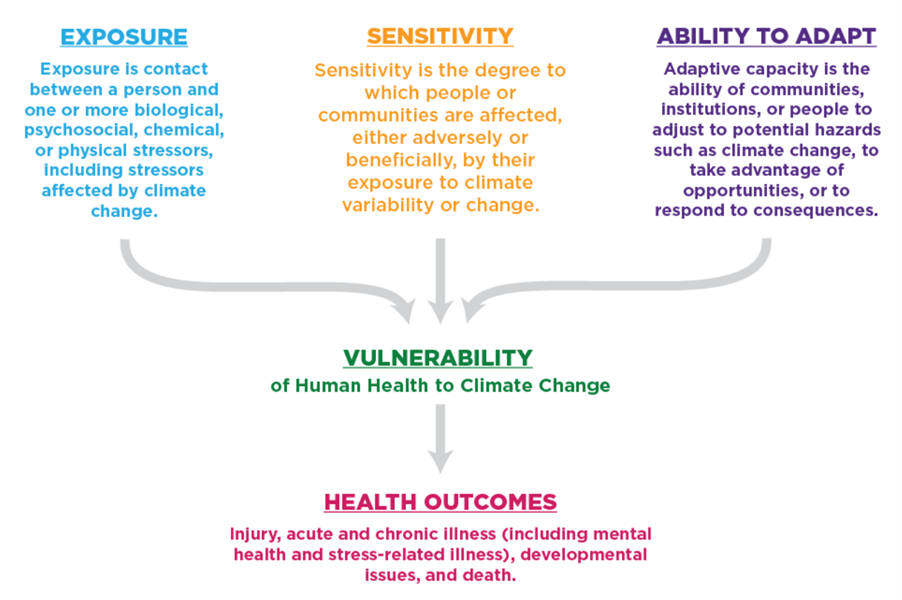
Image 1. Vulnerability to Climate Change (Environmental Protection Agency)
What contributes to climate change, and how can physicians help address this with patients and their hospitals?
Since the pre-industrial era, anthropogenic carbon emissions have been driving global warming, which has wide-ranging effects on the climate and inhabitants of the planet. The international consensus is that we must keep warming below 2oC by the end of the century to avoid climate catastrophe. While eliminating emissions, we must preserve land and regenerate ecosystems to act as a sink and sequester legacy carbon. Practically, this means transitioning to renewable energy sources, halting and reversing deforestation, and finding innovative ways to relay this information to the public. The American College of Emergency Physicians (ACEP) has a policy to "advocate for initiatives to reduce the emissions footprint of EDs (Emergency Departments) through energy conservation and waste reduction." To generate willpower for change, we must leverage the many co-benefits to motivate action.
The production of energy from the combustion of fossil fuels is a leading cause of healthcare sector emissions. If this sector were a country, it would be in the top 15 global carbon emitters. There are numerous examples of hospital systems shifting to renewable energy and thus reducing their emissions footprint. In 2011, Austin-Travis County Emergency Medical Service saved 14.2 metric tonnes (MT) of emissions by changing its fleet to hybrid electric/gas vehicles. Conducting US residency interviews virtually decreased travel-related emissions by up to 0.47 MT per interview.
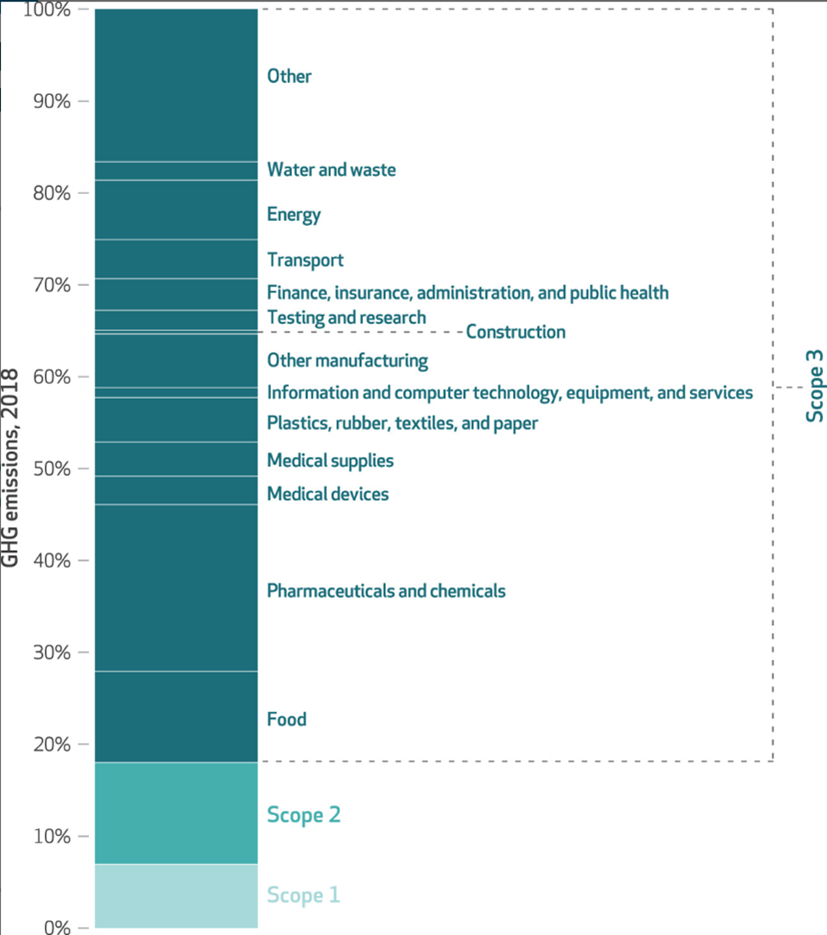
Image 2. US Healthcare greenhouse gas (GHG) emissions by GHG Protocol Scope (Eckleman et al.)
Climate change-related illness
Air Pollution
The most significant environmental cause of disease and premature death is air pollution. In 2015, diseases caused by pollution were responsible for an estimated 9 million premature deaths, representing 16% of all deaths worldwide. Pollution-related diseases also result in healthcare spending of up to 1.7% in high-income countries and 7% in middle-income countries. This represents approximately $4.6 trillion (USD) per year. The main contributor to global pollution is the burning of fossil fuels, which disproportionately affects low-income countries. Burning fossil fuels in high- and middle-income countries leads to 85% of airborne particulate pollution and associated mortality in low-income countries.
There is a positive association between air pollutants and cardiopulmonary disease (including asthma, COPD, and cardiac arrest) and hospitalization from all causes. The association between respiratory disease and air pollutants has been demonstrated throughout Asia, Australia, and Europe, representing a significant burden on the healthcare systems.
Allergens and Pollen
Climate change affects surface temperatures and alters ecosystems, resulting in prolonged pollen seasons in the spring and increasing grass seed during the summer, vastly increasing aeroallergen concentrations. A retrospective chart review by May et al. of an urban ED showed a positive correlation between asthma exacerbation presentations and tree pollen counts. Neumann projects a 14% increase in ED presentations due to pollen and seed-related exacerbations by 2090.
Infectious Disease
Changes and interruptions to ecosystems and human encroachment into wild areas make the potential for breakthrough illnesses concerning. This is relevant following the 2020 global pandemic caused by the SARS-CoV-2 virus, which is thought to have originated in horseshoe bats via an intermediary species, likely a pangolin. As human settlements expand and our behaviors increasingly destroy ecosystems and bring us in contact with animals, the risk of zoonotic disease will increase. Emergency healthcare workers will likely be increasingly responsible for assessing and monitoring such diseases.
Temperature Extremes
Extreme weather secondary to climate change and the associated health impacts are becoming more frequent. For example, heatwaves result in the exacerbation of several illnesses. Following a heatwave in Sydney, Australia, all-cause ED visits increased by 2%, ambulance calls by 14%, and all-cause mortality by 13%. An unprecedented heatwave in France led to 14,800 excess deaths. Kingsley et al. projected up to a 1.6% increase in all-cause mortality and a 25% increase in heat-related mortality by the end of the century.
Wildfires
Wildfires cause increased concentrations of particulate matter, which exacerbates respiratory disease. In 2007, a wildfire event in Australia showed a positive correlation between PM2.5 secondary to smoke and asthma exacerbation, increasing ED visits by 1.96% on the day of exposure. A comprehensive analysis of ED visits from 1996-2007 showed increased same-day visits for asthma, COPD exacerbation, and all non-trauma presentations on days where PM10 and PM2.5 were above the 99th centile with the effect remaining for all days where the atmospheric particulate matter was elevated. They also noted an associated increase in ischemic heart disease. There was an increase in presentation for dyspnea by 3.2 visits per day and asthma diagnoses by 2.6 visits per day for a single metropolitan ED following the Southern California wildfire event in 2007. The impact on ED visits can persist for up to three days after the inciting event. These findings have been replicated in numerous studies showing strong positive correlations between increased concentrations of PM2.5 and exacerbation of respiratory disease, resulting in ED presentations.
Other Natural Disasters
Emergency providers will see a shift in service demand above current annual rates. As natural disasters, which can result in mass casualty incidents, such as floods, storms, and wildfires, become more regular occurrences, it will be necessary for organizations to focus on disaster preparedness and take steps to prepare. Natural disasters will call upon departments to be resilient and flexible to care for patients in multiple scenarios. Departments will experience surges of patients interrupting the normal functioning of their services. In 2017, Hurricane Harvey in the USA resulted in a severe flooding event, which reduced hospital capacity with loss of beds due to water damage, reduced staffing, and inability to transfer patients. The authors noted that emphasis needs to be placed on preparedness and preventative measures to serve their population best. They also emphasized a need for community education and policy action that will limit emissions and thus our impacts on climate change.
Conclusion
Healthcare providers increasingly shoulder the burden of the health-related impacts of climate change. We have a role in educating our patients so they can see the links between climate change and poor health. Being explicit in telling patients that these changes can be made in their everyday lives will help move the needle on our emissions impact and the health of our planet. Additionally, educating our legislators and administrators on these impacts can drive change on a systemic level.

Image 3. “When it comes to climate change, don’t be scared – be prepared”. Adrian Cois MD
For a full reference list for this article, click here.